Sabah INFAPRO Rainforest IFM



What over 30 years of rainforest restoration makes possible
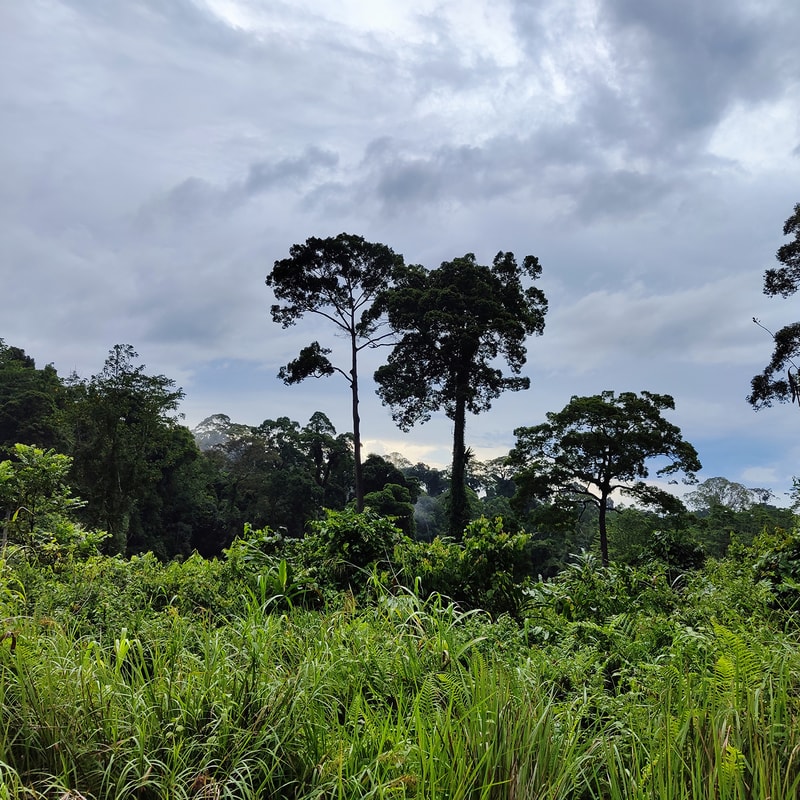
In Sabah, rainforest trees can rise more than 70 meters above the forest floor. Their canopies shelter orangutans, gibbons and hornbills; fruiting trees feed wildlife; and immense dipterocarps help hold one of the planet’s richest living systems together.
Selective logging in the 1980s removed many valuable mature trees and damaged the forest around them. With fewer seed trees and dense climbers suppressing both young regeneration and parts of the remaining mature forest, recovery was slow. Since 1992, local teams have been rebuilding the forest through enrichment planting and careful management of natural regeneration.
Today, the restored landscape adjoins the Danum Valley conservation area, expanding connected habitat used by Bornean pygmy elephants, orangutans and rhinoceros hornbills. INFAPRO offers something rare: a decades-long view of how damaged tropical forest, carbon stocks and wildlife habitat can recover together.

Why carbon finance is critical
Rainforest restoration needs patient funding measured in decades, not planting seasons.
Carbon finance supports nurseries, seed and wilding collection, enrichment planting, climber cutting and early maintenance during the years when restored forest is most vulnerable.
Revenue also sustains permanent monitoring plots, carbon measurement, ecological research and the local field teams whose knowledge accumulates from year to year.
Long-term finance helps protect restored areas from renewed logging and maintains the conditions required for native forest structure and wildlife habitat to return. For buyers seeking nature-based removals, the project offers the opportunity to support one of the world's longest-running tropical rainforest restoration programs while protecting and restoring critical forest habitat.

One project. A multitude of outcomes.

30+ years of restoration
Continuous work since 1992 provides an unusually long record of tropical forest recovery.
2 million+ trees planted
Native dipterocarps, pioneer species and fruit trees rebuild forest structure.
11,864+ hectares rehabilitated
A major area of degraded logged rainforest has received active restoration treatment.
Connected wildlife habitat
The project adjoins the Danum Valley landscape used by iconic Bornean wildlife.
Research informing practice
Permanent plots and long-term studies support adaptive restoration and carbon monitoring.


Wildlife Returning to the Rainforest
Praesent commodo cursus magna, vel scelerisque nisl consectetur et. Aenean eu leo quam. Pellentesque ornare sem lacinia quam venenatis vestibulum. Etiam porta sem malesuada magna mollis euismod. Nullam quis risus eget urna mollis ornare vel eu leo.

Contributing to the UN Sustainable Development Goals


Closer to the project.
More confidence in the impact.
More than three decades of implementation have created established nursery, planting and maintenance protocols rather than a plan that exists only on paper.
Permanent plots and project-specific field measurements support carbon accounting, while long-term ecological research provides evidence of how the forest is developing. Experienced partners and connection to the wider Danum Valley research landscape strengthen that knowledge base.
Project partners: Face the Future and Sabah Foundation
Registry: Verra VCS
Project ID: VCS 672
Monitoring: Permanent plots, field measurement and long-term ecological research


