Rizome Bamboo Reforestation


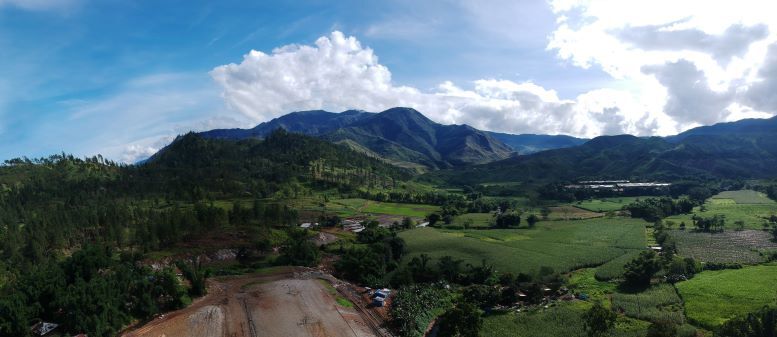

A native bamboo economy built for generations.
Rizome Kawayan is turning bamboo into a long-term source of value for Indigenous communities in Mindanao - restoring ancestral lands while creating income, skills and opportunities for future generations. Developed in partnership with Indigenous communities, RIZOME and Climate Impact Partners, the project is planting native giant bamboo across Mindanao to create a productive natural asset that can support livelihoods, strengthen climate resilience and remove carbon for decades.
This is designed to be far more than a one-off tree-planting program. As the bamboo mature, selected poles can be harvested sustainably and sold into an established processing facility. The clumps regenerate, continue storing carbon and create the potential for a recurring source of income from the same land.
And the benefits begin well before harvest. Nurseries, planting, maintenance and monitoring creates jobs and builds skills across participating communities. Women are employed throughout the bamboo value chain, extending access to paid work and helping more people share in the economic opportunities the project creates.

Why carbon finance is critical
Native bamboo takes around six years before sustainable harvesting can begin. Carbon finance helps bridge that gap, providing income and funding before commercial harvests revenues begin. It supports nurseries, planting, maintenance, quality control and long-term monitoring, while enabling participating landowners to share in carbon-revenues as the bamboo establishes and the wider supply chain grows.


Restoring land. Growing long-term value.
Native bamboo helps Indigenous communities restore ancestral lands, create jobs, generate long-term income and build a resource that can support future generations.

1.8 million bamboo clumps planned
Scaling native giant-bamboo planting across participating community lands.
Around 9,000 hectares
Restoring suitable areas within legally recognized Indigenous ancestral domains.
Up to 3 million projected carbon credits by 2040
Creating long-term carbon removals through fast-growing native bamboo.
More inclusive livelihoods
Creating paid work and income opportunities across the bamboo economy, including roles for women and Indigenous communities.
Here at the nurseries we produce planting materials for bamboo, and most activities are done by women. Women water, weed and fertilize the plants, as well as many other activities around the nursery.
Through this project, we’re not only restoring degraded land, we are also creating a foundation for multi-generational income, opportunities for marginalised Indigenous communities, and supporting the transition towards a circular economy in the Philippines.

Contributing to the UN Sustainable Development Goals


Built for long-term restoration and community value
Rizome Kawayan combines Indigenous stewardship, experienced bamboo operations and long-term project oversight. RIZOME leads local delivery, bamboo cultivation and development of the processing value chain, working alongside Indigenous communities across legally recognised ancestral lands.
Monitoring, reporting and verification teams from RIZOME and Climate Impact Partners collects and reviews field information. This means the project benefits from multiple layers of review, combining community participation, field monitoring, land and carbon-rights checks, and ongoing technical oversight. Together, these help strengthen confidence in both project delivery and long-term carbon-removal outcomes.

Project details
Community partners: Participating Indigenous communities across legally recognized ancestral domains
Registry: Verra VCS
Project ID: 4788
Project structure: Grouped afforestation, reforestation, and revegetation project
Species: Dendrocalamus asper, native giant bamboo
Operational review: Field data checked by RIZOME’s MRV team before final technical review by Climate Impact Partners

Quality and delivery approach
Climate Impact Partners’ oversight covers due diligence, operational planning, land eligibility, carbon-rights review, consultation and consent processes, planting and maintenance controls, biomass and mortality assessment, and evidence-based milestone review. Together with RIZOME’s field monitoring and MRV processes, this creates multiple checks across project development and delivery.
An established bamboo-processing route supports the project’s long-term model. Once mature, selected poles can be sold into processing, giving participating communities an ongoing reason to maintain planted areas well beyond the planting phase.
No single element carries the trust case alone. Confidence comes from Indigenous stewardship on legally recognized ancestral domains, consultation and consent processes, land-eligibility and carbon-rights review, geotagged and traceable field evidence, separate operational and technical review stages, and Climate Impact Partners’ role as co-proponent and authorized representative.


