Llanos Vivos Afforestation



Carbon finance creates new wildlife corridors across Colombia's Llanos
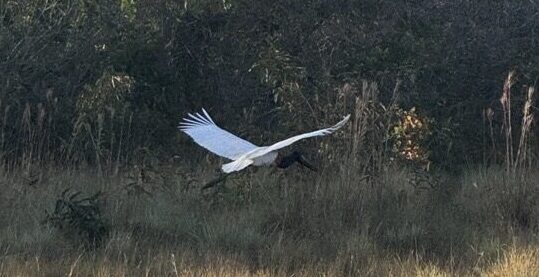
Llanos Vivos, meaning living plains, takes its name from the vast plains of eastern Colombia. The region is one of South America’s great wildlife landscapes, home to species including capybara, jaguar, giant anteater, giant armadillo and lowland tapir, alongside hundreds of bird species.
In parts of the Llanos, years of burning and extensive cattle grazing have made it harder for forests to recover naturally, leaving important wildlife habitats increasingly fragmented.
Llanos Vivos Afforestation is designed to reconnect these landscapes, creating a mosaic of native forest, biodiversity corridors and protected natural habitats across the savannas, wetlands, gallery forests and morichales of the Llanos.
The project plans to plant more than 12 million trees over 11,200 hectares. Over its 40-year lifetime, it is forecast to remove more than 6.1 million tonnes of CO₂e from the atmosphere.

Why carbon finance is critical
Establishing forests in the Llanos takes far more than planting trees. Carbon finance pays for nurseries and seedlings, field teams and forestry operations, fire management, and the long-term maintenance that helps young forest survive and grow.
It also funds biodiversity, hydrology, and carbon monitoring, along with independent verification of carbon removals. Sustained over decades, this investment allows the project to protect natural habitats, create wildlife corridors, and deliver removals buyers can rely on.
The project follows the VM0047 methodology and CCP aligned credits are expected to be available from 2030-2050. Forward offtake agreements available for companies looking to secure high-quality removals as they progress towards their net zero targets.

One project. A living landscape of outcomes.
Llanos Vivos is designed to deliver connected benefits for climate, nature, and people over the long term.

12 million+ trees planned
Establishing new forest cover across the Llanos landscape.
11,200+ hectares to be planted
Restoring land at landscape scale and improving connectivity between natural habitats.
New wildlife corridors
Helping connect habitats used by species including jaguar, giant anteater, giant armadillo, and lowland tapir.
6.1 million+ tCO₂e forecast removals
Removing carbon over the 40-year project period, with first issuance expected from 2030.
120+ jobs expected
Supporting local employment and skills in forestry, nursery operations, monitoring, and long-term land stewardship.


Contributing to the UN Sustainable Development Goals.
Llanos Vivos links long-term carbon removal with habitat restoration and local employment.


Closer to the project.
More confidence in the impact.
Climate Impact Partners is developing Llanos Vivos with experienced delivery partners in Colombia, combining carbon-development expertise, technical due diligence, ongoing oversight, and buyer reporting with forestry implementation on the ground.
&Forest is the landowner and implementation partner, while Silvotecnia contributes local forestry expertise and operational delivery. The project follows Verra’s VM0047 methodology, with Climate, Community & Biodiversity certification planned. Carbon, forestry, hydrology, and biodiversity monitoring are built into the project design.
For buyers, this provides confidence that project delivery is closely overseen, environmental performance is monitored, and carbon removals will be independently validated and verified before issuance.

Project details
Project developer and owner: Climate Impact Partners
Landowner and implementation partner: &Forest
Forestry implementation partner: Silvotecnia
Registry: Verra
Methodology: VM0047 Afforestation, Reforestation and Revegetation
Additional certification pathway: Climate, Community & Biodiversity Standards, planned
Monitoring: Carbon, forestry, hydrology, and biodiversity monitoring incorporated into the project design
Validation and verification body: Confirm once appointed or approved for publication


