The Ecopreneur Movement


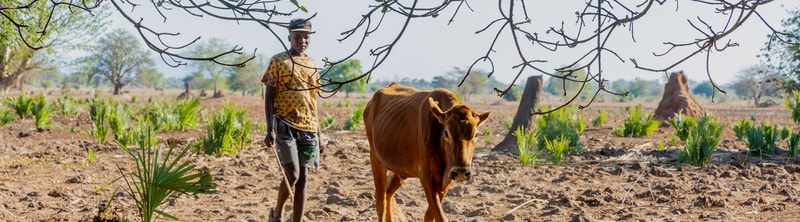

Building a rural climate economy from the ground up
Zambia’s Miombo woodlands support farming, grazing, fuel, food and biodiversity across a vast rural landscape. Repeated fire, woodland degradation and declining soil health can erode both ecological health and household resilience.
The Ecopreneur Movement starts with a different premise: farmers should not have to wait years for a carbon credit before restoration improves family income. Participants are trained and paid for planting native trees, protecting natural regrowth, reducing fires, making compost and improving grazing management.
Each Ecopreneur becomes both land steward and traceable participant in a climate program. Digital payments are recorded at farmer level, local teams verify activity and satellite data measures changes such as fire reduction and tree-cover gain.

Why carbon finance is critical
Community Climate Solutions funds operations and ecosystem-service payments upfront, before carbon revenue is expected. Farmers are paid while restoration work is happening rather than being asked to carry project-development risk.
Ecopreneur Movement is built around farmers as the drivers of restoration, creating strong alignment between livelihoods and environmental outcomes. For buyers looking to support a next-generation VM0047 project with CCP-labelled credentials, it provides a compelling blend of community participation and long-term carbon impact.


One project. A multitude of outcomes.

35,000 rural households
Turning woodland restoration into a reliable source of income.
30 million native trees targeted.
The project plans landscape-scale agroforestry and restoration planting.
Up to 2m tCO₂e sequestered annually
sequestered annually.
60% minimum community share
of distributable carbon revenue committed to flow directly back to Zambian communities.
Payments before credits
Farmers receive ecosystem-service payments before forecast carbon revenue arrives.
Contributing to the UN Sustainable Development Goals


Closer to the project.
More confidence in the impact.
The project combines three evidence streams: local field verification, satellite monitoring and farmer-level digital payment records. This allows ecological activity and financial flows to be checked through different systems.
Climate Impact Partners’ technical due diligence covers methodology, stakeholder engagement, land and carbon rights, benefit sharing, ecosystem health, additionality, permanence and monitoring.

Project details
Project developer: Community Climate Solutions
Market partner: Climate Impact Partners
Methodology: Verra VM0047, version 1.1
Monitoring: Satellite imagery, local field teams and individual digital payment tracking


