The Ecopreneur Movement



Building a rural climate economy from the ground up
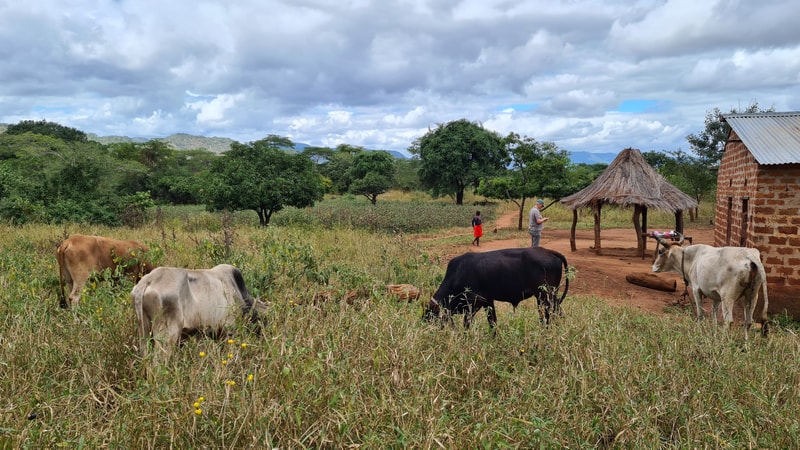
Zambia's Miombo woodlands are the ecological, economic and cultural foundation of rural life, supporting farming, grazing, fuel, food and biodiversity across a vast landscape. Yet around a quarter of Zambia burns every year, largely because fire remains the fastest and cheapest way to clear land for farming, produce charcoal, and hunt and gather food. Fires have been part of life here for generations, but they now return so frequently that young trees struggle to regrow, leaving the woodland trapped in a cycle of degradation.
The Ecopreneur Movement starts from a simple idea: communities already value their woodland, but economic pressures often leave them with few alternatives. Through a set of activities that benefit both families and the landscape, participating farmers are paid to become stewards of their land, making restoration and regeneration a more attractive choice for both household livelihoods and long-term woodland health.

Why carbon finance is critical
Community Climate Solutions (CCS), the project developer behind Ecopreneur Movement, funds operations and ecosystem-service payments upfront, before carbon revenue is expected. In communities where economic pressures can drive short-term extraction, creating viable income opportunities during restoration is critical. Farmers are paid for the work they carry out from the outset, while CCS takes on the project-development risk and bridges the gap before carbon revenues are generated.
Ecopreneur Movement is built around farmers as the drivers of restoration, creating strong alignment between livelihoods and environmental outcomes. For buyers looking to support a next-generation VM0047 project with CCP-labelled credentials, it provides a compelling blend of community participation and long-term carbon impact.


One project. A multitude of outcomes.

35,000 rural households
Turning woodland restoration into a reliable source of income.
30 million native trees targeted.
The project plans landscape-scale agroforestry and restoration planting.
Up to 2m tCO₂e sequestered annually
sequestered annually.
60% minimum community share
of distributable carbon revenue committed to flow directly back to Zambian communities.
Payments before credits
Farmers receive ecosystem-service payments before forecast carbon revenue arrives.
Contributing to the UN Sustainable Development Goals


Closer to the project.
More confidence in the impact.
The project combines three evidence streams: local field verification, satellite monitoring and farmer-level digital payment records. This allows ecological activity and financial flows to be checked through different systems.
Climate Impact Partners’ technical due diligence covers methodology, stakeholder engagement, land and carbon rights, benefit sharing, ecosystem health, additionality, permanence and monitoring.

Project details
Project developer: Community Climate Solutions
Market partner: Climate Impact Partners
Methodology: Verra VM0047, version 1.1
Monitoring: Satellite imagery, local field teams and individual digital payment tracking


