
Tech-Based CDR Projects

Learn about innovative tech-based carbon dioxide removal (CDR) projects which store carbon securely for the long term

What is tech-based CDR?

Technology-based carbon dioxide removal (CDR) uses engineered solutions to actively capture CO₂ from the atmosphere and store it securely for the long term, hundreds and even thousands of years. From direct air capture to biochar and enhanced weathering, these approaches offer highly measurable, durable carbon removal to complement nature-based solutions. As demand for high-integrity climate action grows, tech-based CDR is playing a critical role in helping organizations address residual emissions and achieve net zero. 

It is critical that significant investment in carbon removal with a low risk of reversal begins now to reach the thousand-fold increase needed by 2050. A diverse portfolio of carbon removal and storage technologies should be supported to maximize the chances of scaling removals whilst minimizing the risks to biodiversity and food production from over-reliance on any one given approach at scale.
The Oxford Principles for Net Zero Aligned Carbon Offsetting (2024)

Why are tech-based CDR projects important? 

    Tech-based CDR projects play a critical role in helping organizations tackle residual emissions that cannot be eliminated through decarbonization alone. They are essential for achieving net zero targets by delivering highly durable carbon removal. Increasingly, these solutions align with leading integrity frameworks such as ICVCM and evolving SBTi guidance, giving buyers greater confidence in the quality and credibility of their carbon credits.

    • High durability: Tech-based CDR solutions are designed to store CO₂ for centuries to millennia, significantly reducing the risk of reversal. Unlike many nature-based approaches that face reversal risks through through fire, disease, or land-use change, technologies such as biochar, geological storage, or mineralization offer more permanent sequestration pathways. This long-term durability is critical for ensuring that carbon removals genuinely counterbalance persistent emissions.
    • Measurability and verification: These projects typically rely on engineered processes with clearly defined inputs and outputs, making it easier to monitor, report, and verify the volume of CO₂ removed. Advanced measurement systems, standardized methodologies, and digital MRV (Monitoring, Reporting, and Verification) frameworks help reduce uncertainty. This transparency increases buyer confidence and supports alignment with emerging integrity standards.
    • Scalability with investment: While many tech-based CDR solutions are still early-stage, they offer strong potential to scale to gigatonne levels over time. Technologies such as direct air capture, biochar production, and biomass carbon removal can be replicated and expanded globally. However, achieving this scale will require significant infrastructure, policy support, and capital investment—making early corporate demand a key driver of market growth and cost reduction.

    What types of tech-based CDR carbon credit projects are there?

    Biochar

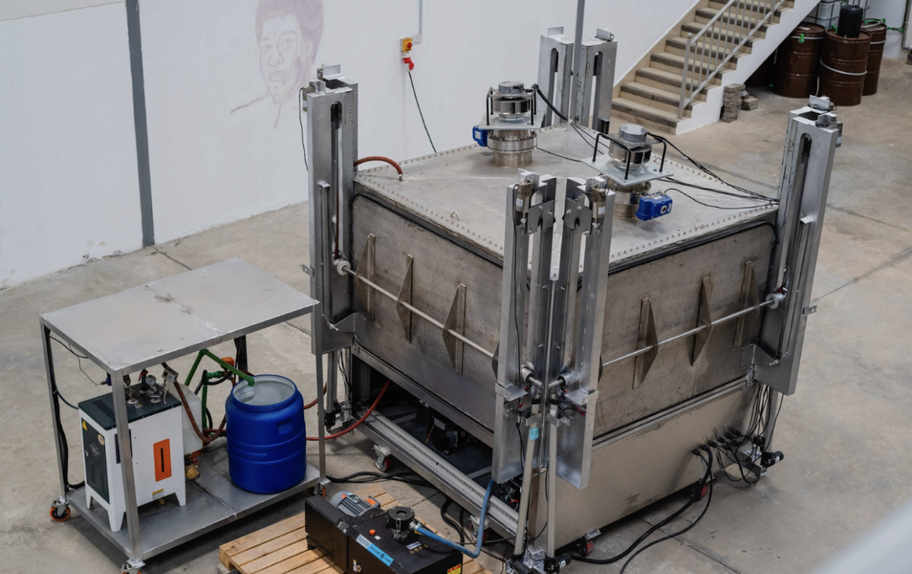
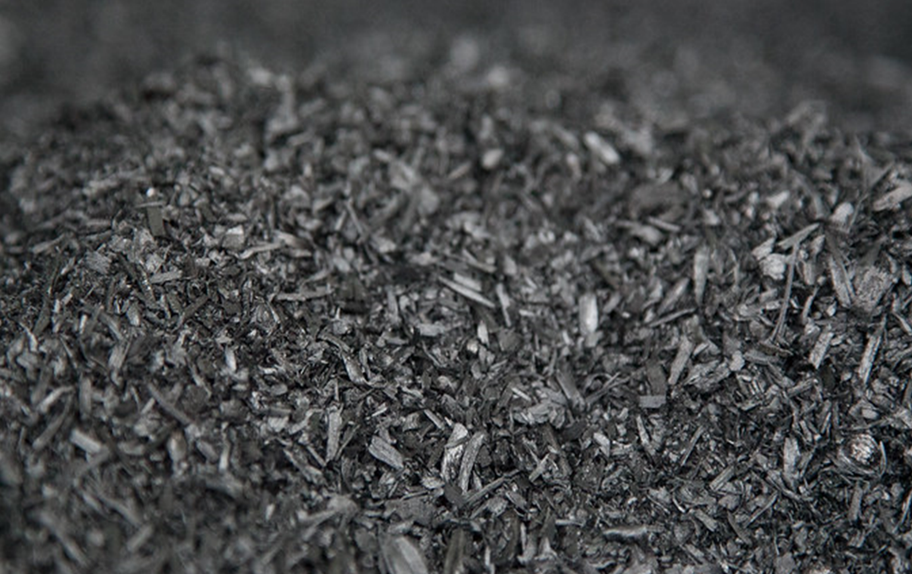
    Biochar projects take waste biomass (like agricultural residues or forestry waste) and heat it in a low-oxygen process called pyrolysis to create a stable, carbon-rich material called biochar. This biochar is then added to soils, where it locks carbon away while also improving soil health, water retention, and crop productivity.

    The impact is twofold: it permanently stores carbon that would otherwise decompose and release CO₂, and it delivers co-benefits for agriculture and land resilience. This makes biochar one of the more commercially ready and scalable CDR solutions today.
    Bio-oil

    Bio-oil projects convert biomass into a liquid through a fast heating process called pyrolysis, producing a carbon-rich oil that can be injected deep underground for long-term storage. In practice, this means taking organic waste and turning it into a stable form that can be safely stored in geological formations. 

    The impact lies in its high durability and flexibility, bio-oil is easier to transport and store than solid biomass or CO₂ gas. This makes it a promising pathway for scaling carbon removal while leveraging existing infrastructure in the energy sector.

    Enhanced Rock Weathering (ERW)

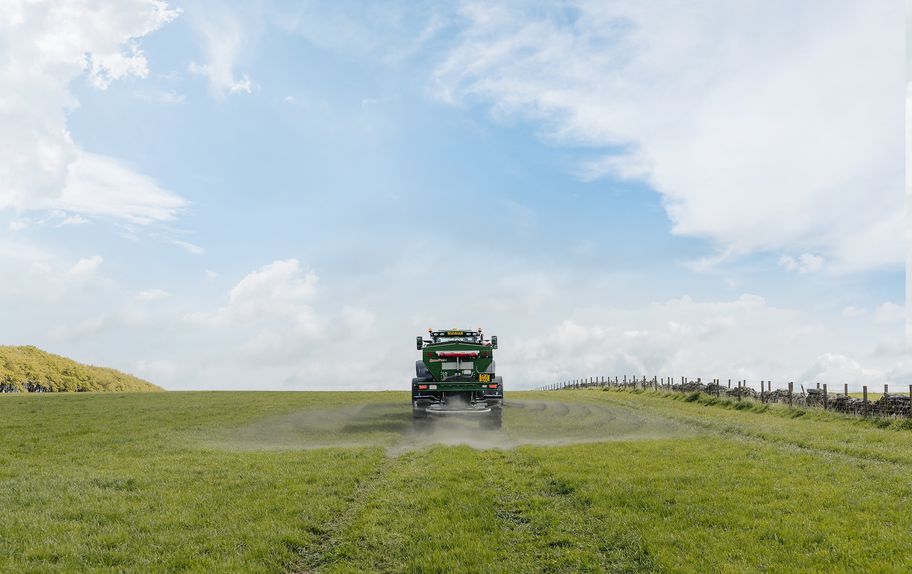
    ERW projects spread finely crushed natural rocks (often basalt) over agricultural land. These rocks chemically react with CO₂ in rainwater, effectively capturing carbon and converting it into stable minerals that are stored in soils or washed into the ocean.

    The impact is both climate and agricultural: it removes CO₂ at scale while often improving soil fertility and crop yields. Because it builds on existing farming practices, ERW has strong potential for large-scale deployment if logistics and measurement challenges are addressed.

    Direct Air Capture (DAC)

    DAC projects use machines to pull CO₂ directly out of the air using chemical processes, then concentrate it for permanent storage underground or use in products. In practice, large fans move air through filters that capture CO₂, which is then securely stored in geological formations.

    The key impact is precision and permanence, DAC delivers highly measurable and durable carbon removal, independent of land use or biological systems. While currently expensive, it is widely seen as essential for reaching large-scale carbon removal needed for net zero.

    Marine CDR

    Marine CDR projects explore ways to enhance the ocean’s natural ability to absorb CO₂, such as adding minerals to seawater, cultivating seaweed, or managing ocean chemistry to increase carbon uptake. These approaches leverage the ocean, which already absorbs about a quarter of global CO₂ emissions.

    The impact could be significant due to the vast scale of the oceans, offering one of the largest long-term carbon sinks. However, many marine approaches are still in early stages, and careful monitoring is needed to ensure environmental safety and effectiveness.

    Tech-based CDR project methodologies

    All the carbon finance projects we support are independently validated and verified in line with recognized global standards, including the Verified Carbon Standard (VCS), the Gold Standard, the Climate Action Reserve (CAR), and the newer CDR-focused standards including Puro.earth, Isometric, and Rainbow

    As founding members of the International Carbon Reduction and Offset Alliance (ICROA), we are closely involved with industry groups to evolve and develop standards and approaches for greater impact.

    Delivering towards the Global Goals

    Sustainable Development Goals

    Supporting our projects delivers on multiple UN Sustainable Development Goals (SDGs). You can read more on the Goals below.

    Learn more about the global goals