

Earlier this year, while at the North American Sustainability & Responsibility Summit (NASRS), our US Client Solutions team visited the Charm Industrial carbon dioxide removal (CDR) project. Tech-based CDR is a growing area of interest for our clients, so our team wanted to get below the surface to learn firsthand about biochar and bio-oil projects.
The visit offered our team a close look into some of our clients’ most common questions about innovative tech-based CDR projects’ proven effectiveness, scalability, and impact beyond carbon.
An evolving carbon market landscape
Carbon removal is required at an industrial scale to meet our global climate goals. Even with aggressive emissions reductions, residual emissions will remain for almost every company driven by hard-to-abate sectors such as aviation, shipping, and heavy industry. For companies navigating evolving climate frameworks, the shift towards durable tech-based removals is becoming increasingly important.
In recent years, as we design portfolios of carbon credits for our clients, we have seen a notable shift towards tech-based removal projects. Most portfolios used to be majority avoidance credits with maybe some nature-based removals, but today portfolios are much more balanced between high quality avoidance and a mix of nature-based and tech-based removals.
What Climate Impact Partners looks for in a CDR project
Since 1997, we have always focused on building portfolios that deliver verified credits as well as impact beyond carbon. When we think about the latest project types to enter our market, tech-based removals including biochar, bio-oil, enhanced rock weathering (ERW), and direct air capture (DAC), we look for:
- Impact: What are the additional co-benefits to the community and environment that this project can deliver?
- Scalability: Can this novel technology scale to meet demand and what are the required inputs in terms of feedstocks or electricity usage?
- Durability: How is this technological approach delivering the long-term carbon storage that is a defining element of tech-based CDR projects, and is it in the magnitude of hundreds or thousands of years?
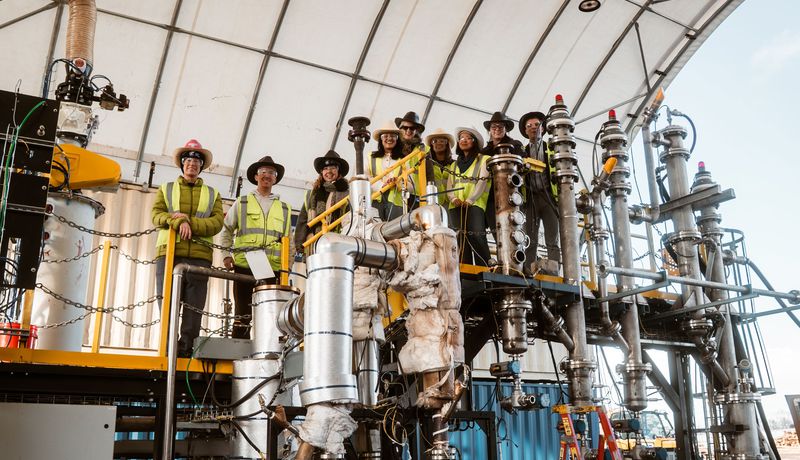
Visiting Charm Industrial’s Carbon Dioxide Removal (CDR) Projects
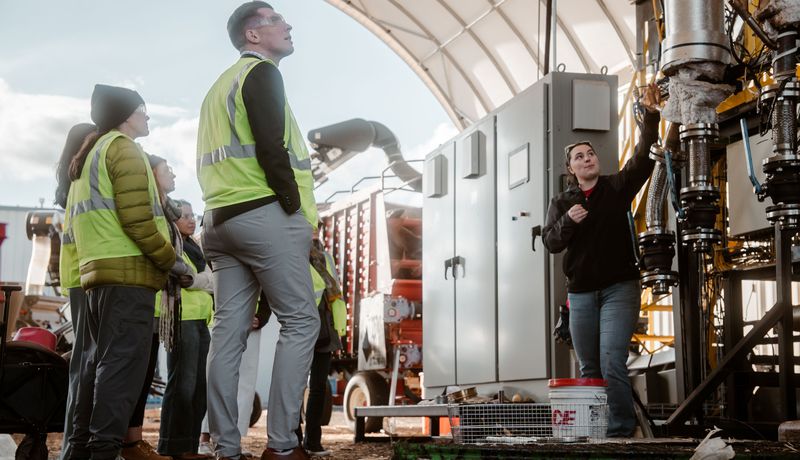
Visiting Charm Industrial’s Carbon Dioxide Removal (CDR) Projects
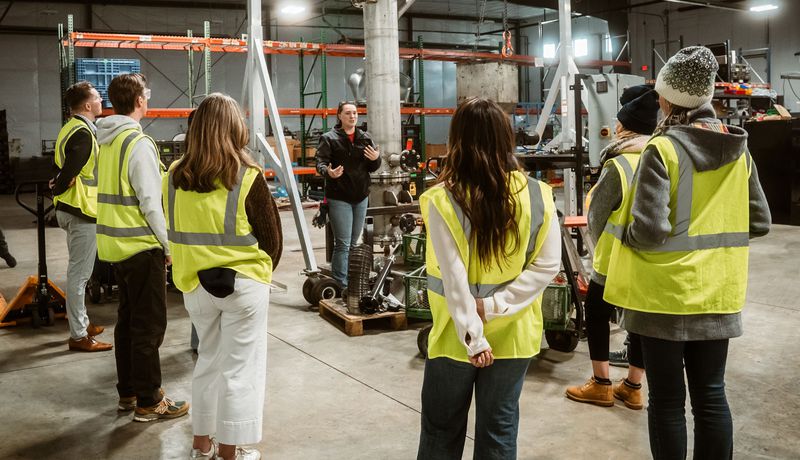
Visiting Charm Industrial’s Carbon Dioxide Removal (CDR) Projects
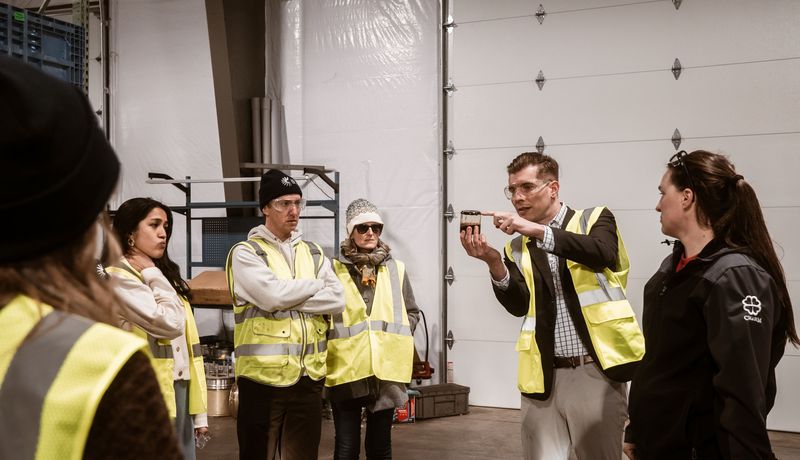
Visiting Charm Industrial’s Carbon Dioxide Removal (CDR) Projects
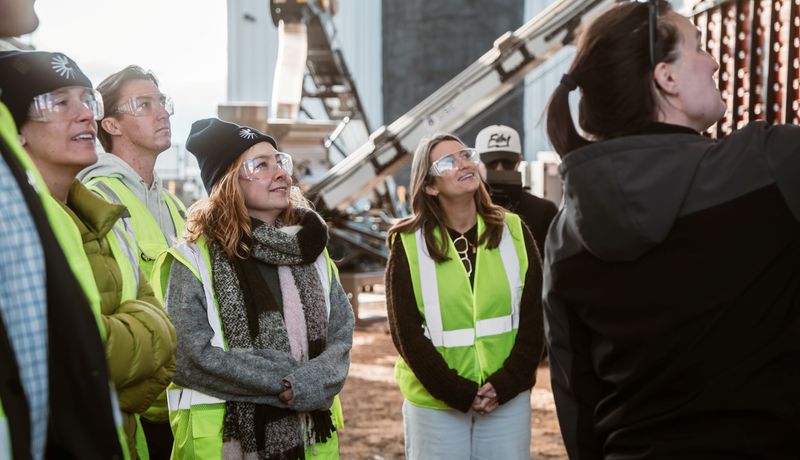
Visiting Charm Industrial’s Carbon Dioxide Removal (CDR) Projects
The Charm of turning industrial residues into carbon removals
Charm’s approach begins with agricultural and forestry residues that would otherwise decompose or be burned, releasing carbon back into the atmosphere. Instead, these materials are gathered and transformed through a thermochemical process called pyrolysis into two carbon-rich outputs:
- Biochar, a solid, carbon-rich material with long-term stability applied to farm fields, storing carbon for hundreds of years.
- Bio-oil, a liquid, which contains a concentrated form of biogenic carbon, that is injected deep underground into geological formations and old oil wells, where it is stored for thousands of years.
The feedstocks, machinery, and outputs are each part of a process designed with a singular goal in mind, locking carbon away for the long term. Each tonne of CO₂ removed through Charm’s systems is monitored and independently verified according to the Isometric Standard, a new carbon registry aiming to bring more transparency and traceability for carbon removals specifically. Charm was the first company to work with Isometric because it contracts with buyers, not suppliers, aligning verification incentives.
Co-benefits beyond carbon removal
While durable carbon removal is the primary outcome, Charm’s approach also delivers a range of important co-benefits:
- Wildfire risk reduction and improved air quality: Removing excess forest residues helps reduce fuel loads and wildfire severity, improving air quality and public health.
- Creating new green-collar jobs in local communities: Charm creates new jobs rooted in American manufacturing, engineering, and operations.
- Plugging old oil wells: Across North America, millions of orphaned oil and gas wells continue to negatively impact nearby communities. By filling and plugging these wells with bio-oil, Charm helps permanently close legacy infrastructure and reduce local risks.
- Supporting farmers: Charm can also pay farmers for their excess biomass residues that aren’t tilled into soil, and give them biochar to improve soil health, complementing soil carbon projects.
- Reducing hard-to-abate emissions: Charm’s bio-oil and biochar can be used as low-carbon alternatives in certain hard-to-abate industrial applications, including iron and other materials. When these products displace fossil-based inputs, they can help lower emissions where direct electrification or fuel switching remains challenging.
Charm’s Biochar and Bio-oil Projects
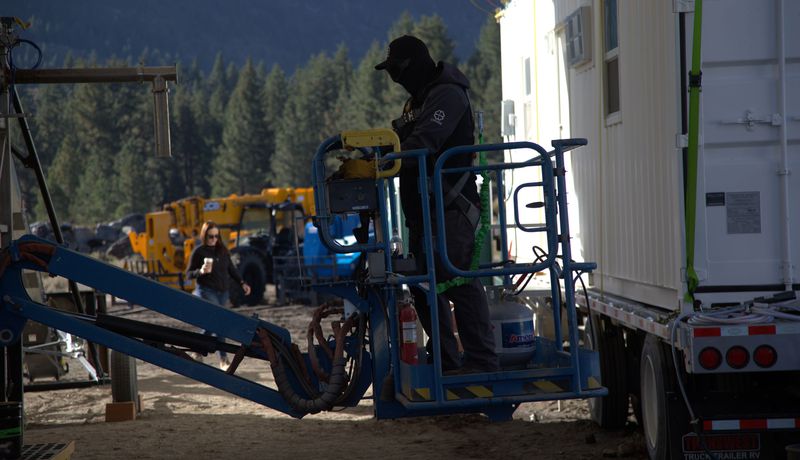
Charm’s Biochar and Bio-oil Projects
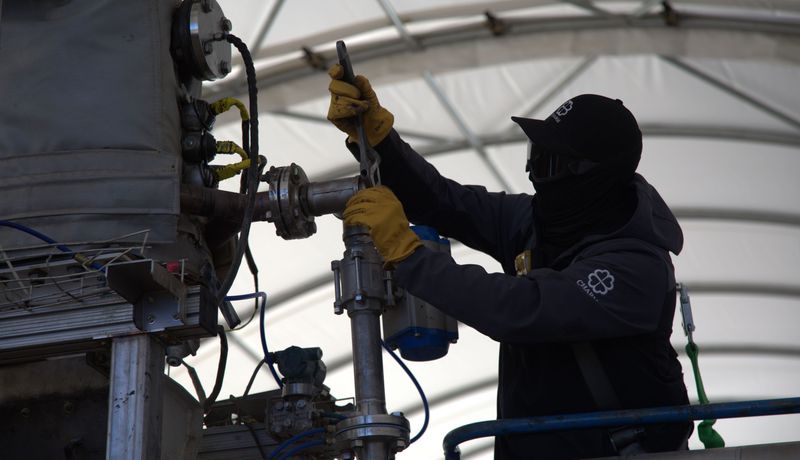
Charm’s Biochar and Bio-oil Projects
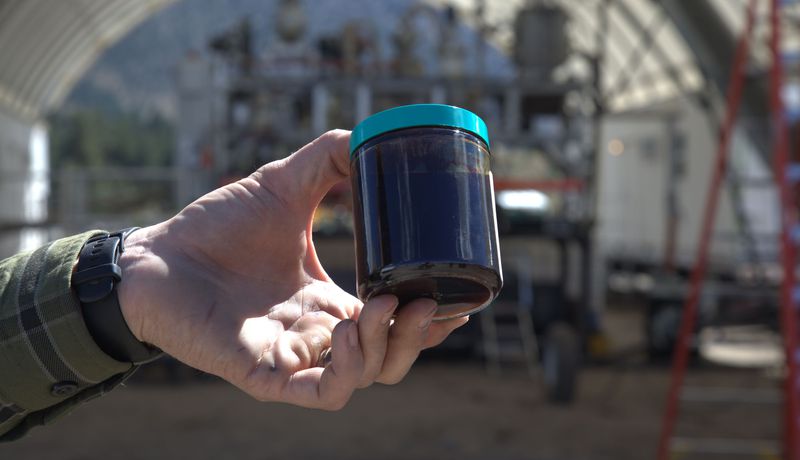
Charm’s Biochar and Bio-oil Projects
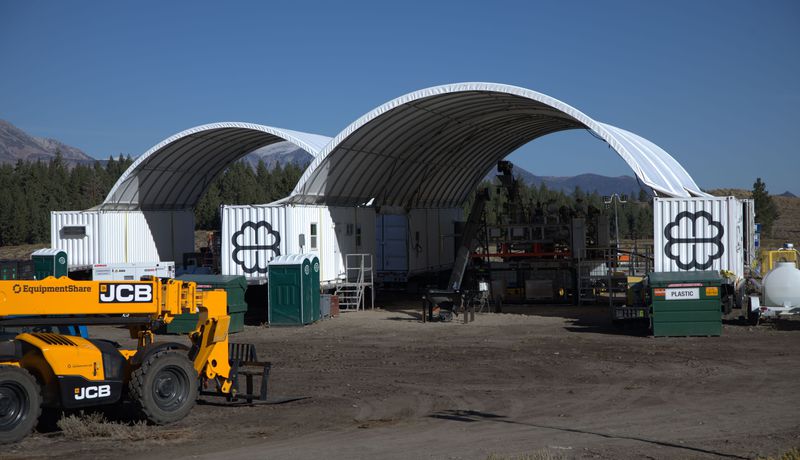
Charm’s Biochar and Bio-oil Projects
Building more balanced carbon credit portfolios
If the visit to Charm’s CDR facility reinforced one theme, it is that the future of credible climate action will require an entire ecosystem of different, complementary carbon projects. Nature-based projects remain critical for biodiversity, communities, and near-term impact. But alongside them, tech-based projects will play an increasingly central role in addressing the residual emissions that are hardest to eliminate.
Tech-based carbon removal projects are still early in their development, but like many critical climate technologies before it, their trajectory will depend on early support to build a net-zero future where carbon is not only reduced, but reliably and permanently removed.
It is not a question of replacement, but of balance.
Learn more about tech-based CDR
To learn more about how leading companies are balancing nature-based and tech-based removals, watch our recent webinar: