

Behind the A Rating: Sabah Rainforest Project
For more information on the project visit Climate Impact Partners’ webpage.
London, UK, 18 March 2026 – Climate Impact Partners, a global leader in high-quality carbon market solutions, today announced that the Sabah INFAPRO rainforest rehabilitation project in Malaysia, one of the longest running restoration and rehabilitation projects, is now issuing verified carbon removal credits, giving buyers access to one of the highest-quality nature based removals available globally.
The project, developed by Face the Future in co-operation with Yayasan Sabah, has restored more than 25,000 hectares of logged‑over dipterocarp rainforest, one of the most biodiverse and carbon-dense forest ecosystems on Earth. Supported by nearly 400 monitoring plots, the data provides a scientifically robust foundation for carbon sequestration calculations and ensures integrity of the credits issued.
Canopy view of the rainforest.
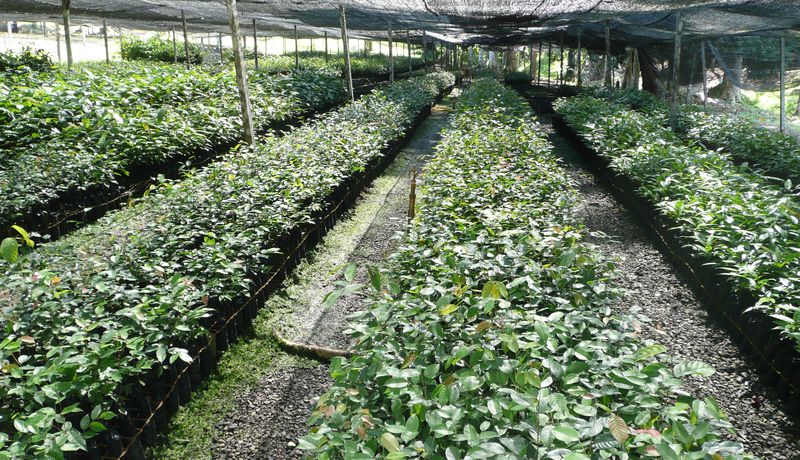
Inside the seedling greenhouse.
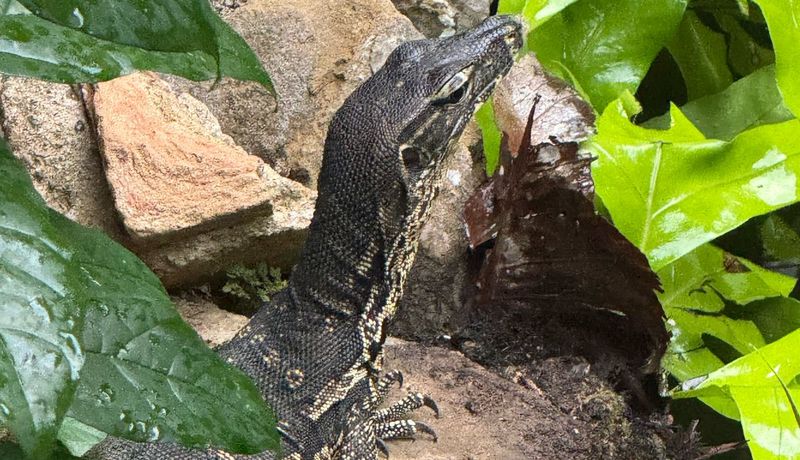
Close up of Malaysian Monitor Lizard.
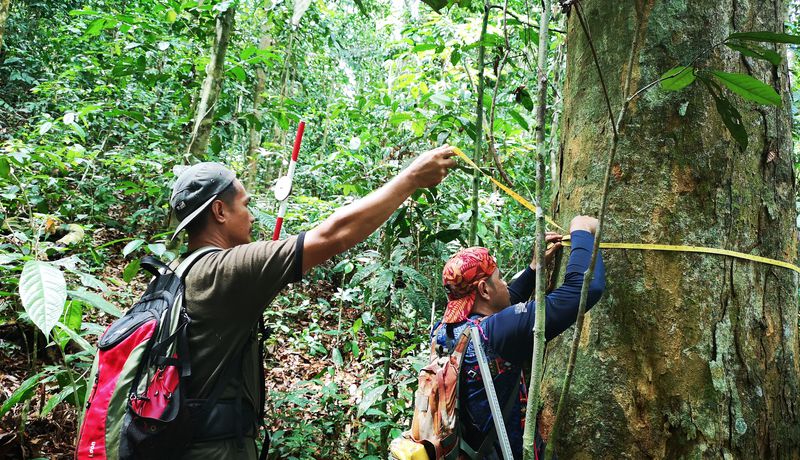
Workers measuring the trees strength and width.
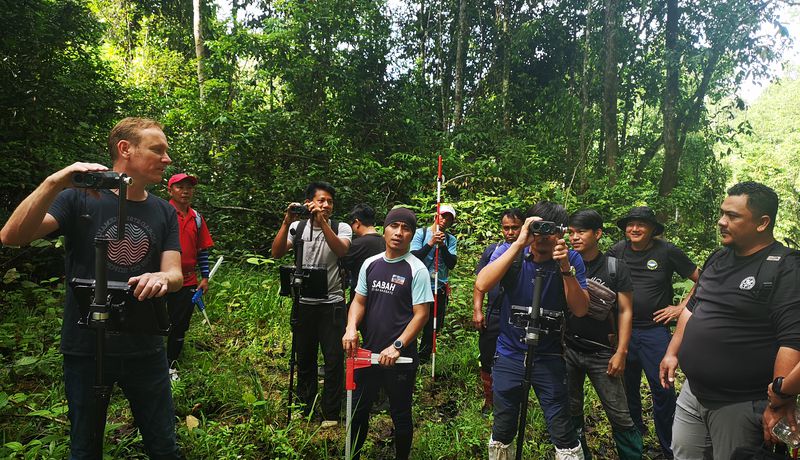
Workers being trained on site.
Independent assessment from BeZero awarded it an A pre overall rating and an AA score for permanence, citing exceptionally low exposure to reversal risk, a long and stable operating history, and strong alignment between independently measured carbon gains and peer-reviewed ecological research.
The rating placed the Sabah project among the highest-rated Improved Forest Management (IFM) projects globally and reflects high confidence in the durability of the projects carbon removals and integrity of its credit issuance.
Dr Maren Burrows, Quality and Technical Director at Climate Impact Partners said: “If we are going to move the dial on net zero, data integrity is non-negotiable. But so is long-term partnership. Projects like this are not quick-wins and they require years of close collaboration, rigorous monitoring and shared commitment locally. The comprehensive data collected through this program underpins every carbon issuance calculation, giving companies confidence that these removals are real and measurable, delivering lasting and meaningful climate impact.”
Since 2007, these permanent monitoring plots have enabled researchers, independent auditors and Climate Impact Partners technical specialists to observe and track the full natural growth cycle of dipterocarp forests, the dominant native rainforest type in Borneo.
Unlike many IFM projects that monitor annually and issue credits in yearly vintages, Sabah INFAPRO rainforest rehabilitation project, adopted a large-scale, landscape-level monitoring approach.
As a result, the credits have been issued only after the forest passed through its most productive biological growth phase, ensuring that the carbon gains reflected sustained, measurable sequestration rather than incremental annual estimates. This approach ensures available credits represent verified, long-term carbon removal.
Climate Impact Partners has been working with project partners, Face the Future, helping them to diligently restore and rehabilitate areas, host local training programs, conduct monthly forest patrols and distribute seedlings to support wider rainforest restoration efforts to amplify ecological benefits beyond the project boundaries.
It provides a blueprint for rainforest restoration globally and is registered with Verra's Verified Carbon Standard under the name INFAPRO Rehabilitation of Logged-over Dipterocarp Forest in Sabah, Malaysia.
For more information on the project visit Climate Impact Partners’ webpage.

If we are going to move the dial on net zero, data integrity is non-negotiable. But so is long-term partnership. Projects like this are not quick-wins and they require years of close collaboration, rigorous monitoring and shared commitment locally.