

Achieving LEED® certification (Leadership in Energy and Environmental Design), especially under the LEED v4/v4.1 rating systems, often requires sustainability teams to navigate technical guidance that can feel overwhelming.
One area where this is especially true is the use of Energy Attribute Certificates (EACs) to meet renewable energy and green power requirements.
Ricardo Hernandez, one of our EAC sourcing experts, explains how EACs work for LEED, where they fit in the rating system, and how organizations can use them confidently when targeting LEED points.
What is LEED® certification
LEED® is one of the world’s leading green building rating systems, administered by the U.S. Green Building Council (USGBC). It provides a globally recognized framework for designing, constructing, operating, and renovating buildings that use fewer resources, lower carbon emissions and support a healthier environment.
How LEED Delivers Business Value
For organizations, LEED delivers tangible business value across three areas:
- Strong Environmental and Climate Credentials: Achieving Certification signals to investors, employees and customers that a company is taking measurable steps to decarbonize its operations
- Real-Estate Value and Market competitiveness: Certified buildings tend to lease faster, achieve higher occupancy, and maintain stronger long-term value.
- Operational Savings and Performance Improvements: LEED Encourages reduced energy used, improved energy performance and higher quality design, which over time can lower operating costs substantially, as well as, supporting corporate renewable energy strategies and carbon reduction goals.
Why this Matters for Corporate Renewable Energy Strategies
As LEED v4/v4.1 places clearer emphasis on renewable electricity, many corporate building projects, whether new construction, major refurbishments or fit-outs, need a credible source of renewable energy.
This is where Energy Attribute Certificates (EACs) play an important role. They offer:
- A straightforward way to meet LEED’s Renewable Electricity Requirements
- Flexibility across global markets
- A cost effective pathway compared to on-site installations
EACs allow simplification of project planning for their LEED submission, while reducing risk, and ensuring alignment with broader ESG and climate goals.

Solar panels in China
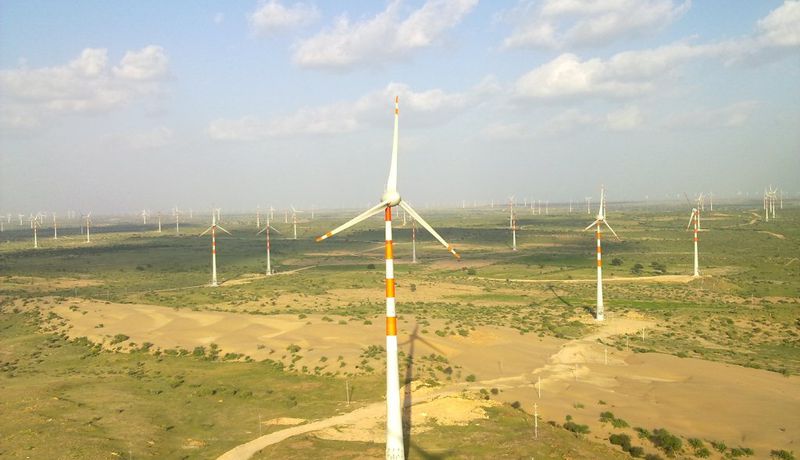
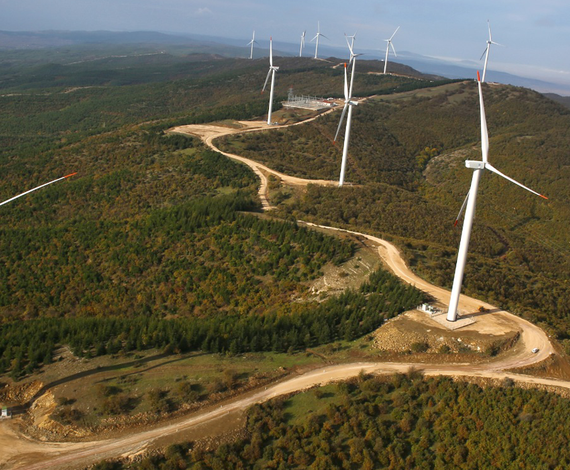
Wind farm in India
Where EACs Fit in LEED® v4/v4.1
Under LEED Building Design & Construction, renewable electricity is addressed through the Renewable Energy credit (v4.1), which consolidates earlier LEED v4 credits into one simplified pathway. LEED v4.1 explicitly recognizes a wide range of renewable procurement methods, including certified EACs such as Renewable Energy Certificates (RECs) and Guarantees of Origin (GOs), as valid ways to meet renewable energy targets for certification.
In practice, project teams frequently rely on EACs when:
- On‑site renewable installations aren’t feasible
- They need to match the building’s energy use with renewable generation at market scale
- The certification timeline is tight and requires a dependable, flexible procurement option
- They want credible, internationally recognized renewable electricity attributes
Examples:
- An office development in the City of London matching electricity consumption with EKOEnergy Labelled REGOs
- A New York City headquarters using Green-e® -Energy certified‑ RECs to meet the required percentage of renewable electricity
- A global tenant in APAC or LATAM procuring locally aligned EKOEnergy labelled EACs as part of a broader certification package
All these pathways are accepted approaches under LEED when certificates are correctly retired and documented.
Why EACs Are a Practical Lever for LEED
EACs provide:
- A credible, globally recognized way to meet renewable electricity requirements
- A fast, scalable procurement route versus onsite installations
- A lower cost entry point for boosting LEED renewable energy performance
- A natural cross buy opportunity for organizations decarbonizing electricity and buildings concurrently
- A simple, reviewer friendly documentation process
Under LEED v4.1’s structure, which consolidates renewable energy pathways, EAC purchases offer one of the most flexible and achievable methods to secure points.
How It Works: The Simple Flow
The LEED renewable energy process can look complex in formal guidance, but the real-world flow for users is refreshingly simple:
- Define the LEED target: Determine what percentage of the building’s electricity use needs to be matched with renewable energy as part of the LEED submission.
- Choose the market and product: Select the appropriate EAC type (e.g., RECs, GOs, International Renewable Energy Certificates I-RECs) depending on the region and your business strategy.
- Purchase the EACs: You can contract with a trusted partner, like Climate Impact Partners, to procure the required certificates.
- Retire the certificates on time: Timely retirement is essential; this step ensures exclusivity of environmental claims.
- Deliver the LEED ready documentation: We provide the certificate retirement evidence required for upload to LEED.
- Submit to certification authority: Final acceptance always rests with the certification authority, such as USGBC, not with the supplier.
This model has already worked successfully for several LEED projects we’ve supported, with EACs approved by LEED reviewers.
Climate Impact Partners helped us source the correct, LEED‑aligned Guarantees of Origin (GOs) for a major restructuring project targeting LEED Platinum. Their guidance made the renewable energy component straightforward, and the documentation fit seamlessly into our submission.
Labels and Markets: Keeping It Light
To support quality and credibility without overwhelming you with technical rules, we focus on the two most recognizable labels:
- Green-e® Energy (North America): The leading certification for U.S. and Canadian renewable electricity products.
- EKOenergy (Global): A respected international ecolabel often used to create alignment with LEED and broader sustainability expectations.
These labels are presented to you as familiar, high credibility options, not as compliance hurdles.
How Climate Impact Partners can help you
Our role is to make the process clear, low effort and reliable:
- Source appropriate EACs that align with LEED’s expectations
- Match volumes and timing exactly to the LEED performance period
- Handle retirement on recognized registries
- Provide a suitable retirement certificate for LEED submission
- Advise lightly on typical LEED expectations - without acting as certifiers
We focus on practicality, speed and certainty so clients can proceed with confidence.
If your team is considering LEED® v4 or v4.1 and wants a clear, low friction route to meet green power requirements, our specialists can help design a straightforward EAC plan aligned with your certification goals.
Get started on a practical, LEED ready EAC strategy
Speak with our global team of experts