

For over three decades, deep in the tropical rainforests of Sabah, Malaysia, an extraordinary restoration effort has been unfolding quietly, diligently, and with notable scientific rigor. Today, the Sabah Rainforest Rehabilitation Project stands out as one of the most robustly monitored nature-based removal projects we have seen. Its newly rated A score from BeZero* makes it one of the highest‑quality Improved Forest Management (IFM) projects globally. In fact, there are no other higher rated IFM projects. This is the story behind Sabah’s score and why these credits represent some of the most high‑integrity nature-based removals available today.
*Note: BeZero's review was done pre-issuance, so the score is officially A-pre, and applies to the credits now issued and available for sale.
A Project Defined by Scientific Rigor
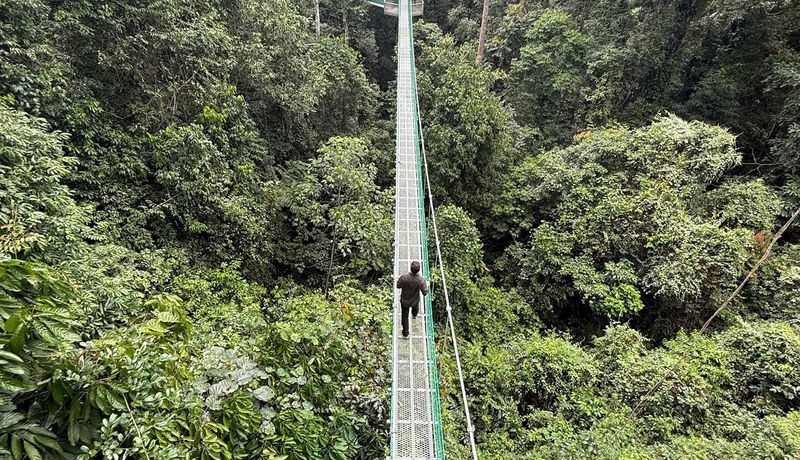
The Sabah project’s strength begins with its location. It has restored over 25,000 hectares of logged‑over dipterocarp rainforest, one of the most biodiverse forest types on Earth. For context, this project area is larger than Washington, D.C. at over 250 square kilometers. Next, what makes this project truly exceptional is its scientific evidence base: nearly 400 permanent monitoring plots. Rather than relying on theoretical modelled growth curves alone or generic regional defaults, Sabah’s carbon calculations are underpinned by these permanent measurement plots, established in the project’s early years and maintained through successive verification cycles.
These permanent monitoring plots have allowed researchers, auditors, and our own technical specialists to observe the natural growth cycle of dipterocarp forests, the dominant native rainforest type in Borneo:
- In the first 10 years after enrichment planting, fast‑growing pioneer species dominate.
- Both project and baseline areas experience similar rapid gains, masking the benefits of project interventions.
- After about a decade, the long-living and impressively tall dipterocarps trees overtop and outcompete pioneers, becoming climax tree species that store massive amounts of carbon.
- The climate dipterocarp trees drive a surge in biomass accumulation that is restricted almost entirely to the restored areas.
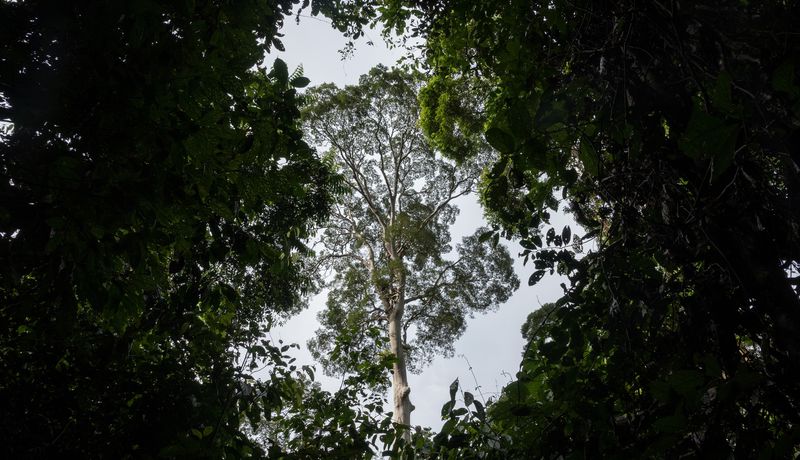
Sabah Climax Tree Species
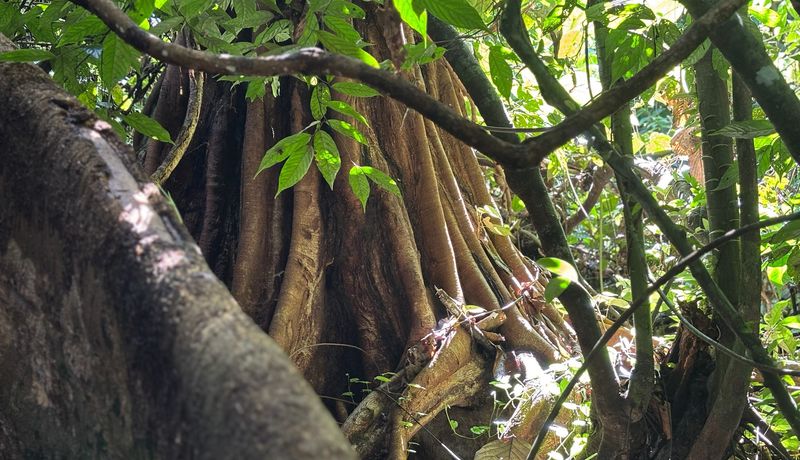
Sabah Climax Tree Species
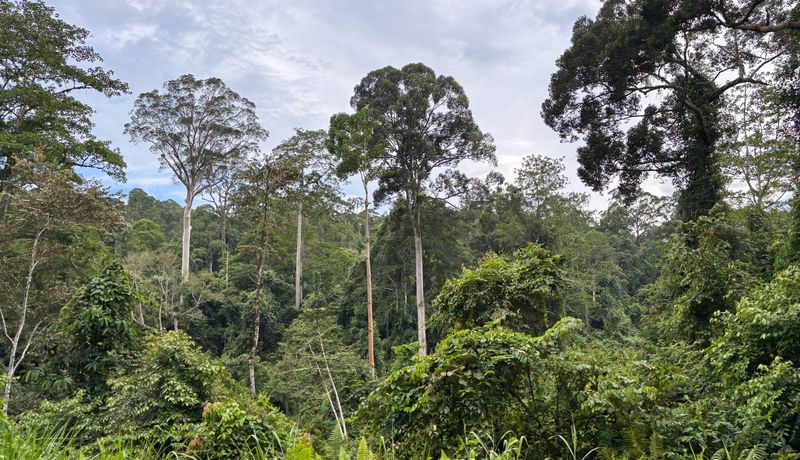
Sabah Climax Tree Species

Sabah Climax Tree Species
Observing Sabah’s monitoring plots has produced one of the clearest demonstrations of carbon removals from project interventions versus a comparable baseline in tropical IFM projects. Further, across the entire monitoring period, there have been no recorded reversals.
The previously logged forest has matured and been rehabilitated, earning BeZero’s high confidence in the project’s durability. The rating body highlighted its very low exposure to reversal risk, long operational history, and alignment between measured carbon gains and peer‑reviewed ecological research. The result: an A‑pre overall grade and AA permanence score, placing Sabah at the top of global IFM projects.
Scientific Rigor in Action: The 2024–2025 Monitoring Campaign
In 2024, the Sabah project launched one of the largest field measurement efforts undertaken in the region in over a decade. The team had to clear roads and camp deep within the rainforest to reach monitoring plots. Highlights from the monitoring campaign included:
- Many months of fieldwork
- Three trained field teams
- 24,000 individual trees measured
- Nearly 400 permanent monitoring plots
- Covering both project and baseline areas with equal rigor
Climate Impact Partners’ NBS Technical Lead, Stanley Nokes, joined the March 2025 field visit, alongside our own local forester and Southeast Asia Carbon Project Manager, Glad Aben, observing plot measurements conducted under the supervision of an accredited Validation and Verification Body (VVB). The results were decisive: the restored forest significantly outperformed the baseline, with strong, quantifiable gains in biomass accumulation directly attributable to earlier rehabilitation interventions.
The data collected through this comprehensive monitoring campaign forms the backbone of the 2011-2024 carbon credit issuance calculations, which were validated by a third-party VVB. Unlike some projects that undergo annual monitoring and issue credits with annual vintages, Sabah’s large-scale approach to monitoring meant that it was only worthwhile to issue credits after the forest’s most productive biological growth window was complete.
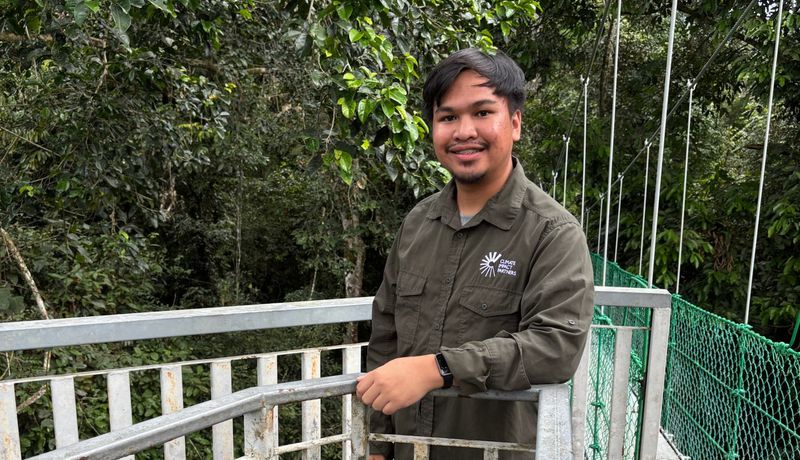
Glad Aben, Carbon Project Manager from Climate Impact Partners

Glad Aben, Carbon Project Manager from Climate Impact Partners
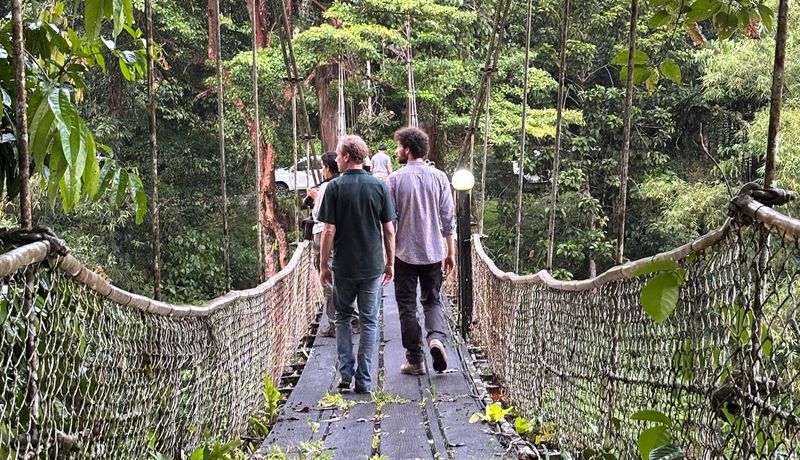
Sabah Monitoring Visit with third-party VVB
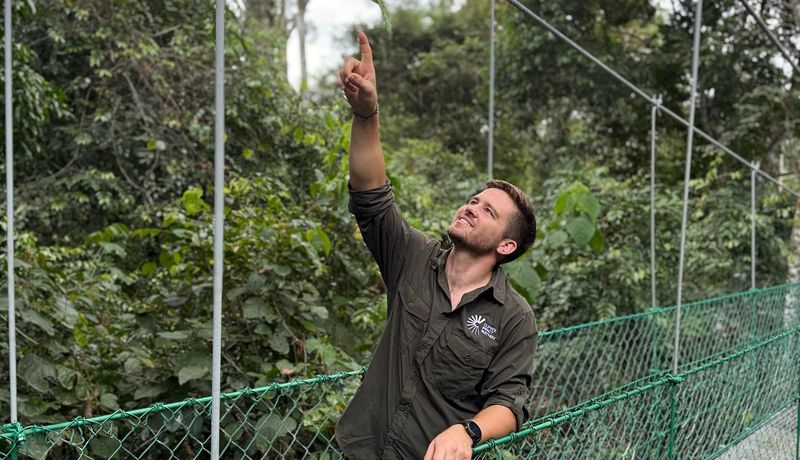
Stanley Nokes, NBS Technical Lead from Climate Impact Partners
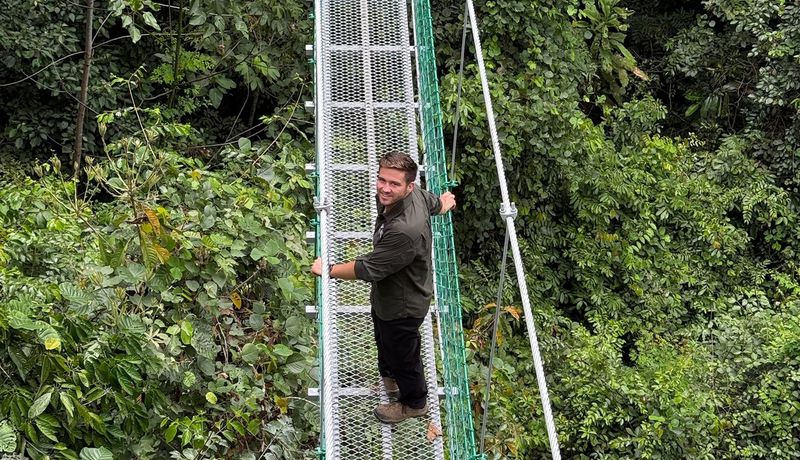
Stanley Nokes, NBS Technical Lead from Climate Impact Partners
Stanley Nokes, NBS Technical Lead from Climate Impact Partners
Worth the Wait: A Decade of Restoration and Protection
Monitoring a large-scale rainforest rehabilitation project is not cheap. Monitoring costs paired with the natural growth cycle of dipterocarp forests already mentioned, meant that it made sense for the project to wait to issue carbon removal credits.
But while carbon removal issuances were paused between 2011 and 2024, the forest was anything but inactive. Our project partners at Face the Future continued its restoration and stewardship work relentlessly, ensuring that the ecosystem remained healthy, protected, and scientifically monitored. Across the decade, teams on the ground:
- Maintained all rehabilitated areas, including climber cutting, health checks, and targeted enrichment planting.
- Conducted monthly forest patrols to prevent fire and encroachment, both critical to the project’s exemplary permanence record.
- Provided seedlings to other restoration efforts across Sabah, amplifying ecological benefits beyond project boundaries.
- Supported extensive scientific research, including LiDAR‑based structural surveys, ethnobotanical studies, and biodiversity monitoring.
- Hosted training programs and restoration tourism, welcoming practitioners from other tropical IFM projects and even receiving high‑profile visitors, including the Prince and Princess of Wales.
- Supplied infrastructure for the Global Atmospheric Watch Station, contributing to global climate science.
While Sabah’s A‑pre score from BeZero is relatively new, the work behind this score began nearly 30 years ago with a commitment to patient, evidence‑based monitoring, and these 2011-2024 credits reflect that. The project is registered with Verra's Verified Carbon Standard under the name INFAPRO Rehabilitation of Logged-over Dipterocarp Forest in Sabah, Malaysia. INFAPRO is an acronym for Innoprise-Face Foundation Rainforest Rehabilitation Project.
For buyers seeking high‑quality removals, Sabah is one of the most credible opportunities available.

Sabah Monitoring Campaign

Sabah Monitoring Campaign

Sabah Monitoring Campaign

Sabah Monitoring Campaign
Looking for A-rated carbon removal credits?
Speak with our team to secure access to the Sabah Rainforest Rehabilitation Project in Malaysia and other highly rated carbon projects in our portfolio.
The Latest Insights From
Climate Impact Partners

CORSIA explained: what the aviation carbon scheme is and what recent developments mean for the market
CORSIA explained: what the aviation carbon scheme is and what recent developments mean for the market
Read more
How to get more value from your carbon budget: The Five C’s of Carbon Credits.
To illustrate the characteristics of a carbon credit that can determine its price, we introduce the five C’s of carbon credits.
Read more
The Growing Role of SAF Certificates in Corporate Net‑Zero Strategies
Sustainable aviation fuel Certificates (SAFc) are rapidly moving from niche concepts to essential tools for addressing business-travel emissions in Scope 3.
Read more