“You cannot get through a single day without having an impact on the world around you. What you do makes a difference, and you have to decide what kind of difference you want to make.”
Dr Jane Goodall—Zoologist, Primatologist and Anthropologist
The best carbon projects don’t just cut carbon, they can restore nature, improve lives and provide new economic opportunities for communities – making them more sustainable in the long term.
When you choose your next carbon project – take a moment to think about how it impacts local communities. Are they consulted, or are they central to the project? Do they benefit from the project and the carbon revenues? Are there short term community gains, or long term sustainable benefits - even beyond the life of the project?
We asked our project experts to recommend three high quality community impact projects that demonstrate some of the different ways that carbon projects can not only engage communities, but be intrinsic to them. There are many examples of top-down climate solutions that fail when it comes to local implementation because they overlooked the preferences and cultural dynamics of end users. However, each of these projects are shining examples of how carbon finance can be used effectively to fund culturally accepted solutions to local challenges such as indoor air pollution, deforestation, and water-borne illnesses.
1. Improving Respiratory Health and Creating Jobs: Bondhu Chula
In Bangladesh just one in five people have access to clean cooking technology. Cooking is over an open firepit, releasing smoke and particulate pollutants, causing millions in the country to suffer from lung or eye infections. Globally, emissions from non-renewable cooking fuel are in fact larger than the entire aviation sector which is around 1 billion tCO2e per year, making the need for clean cooking solutions a large and relatively easy to solve climate solution.
The Bondhu Chula (which translates as ‘friendly stove’) - has a chimney! This means it not only burns more efficiently – reducing carbon emissions – it also takes harmful smoke out of the house.
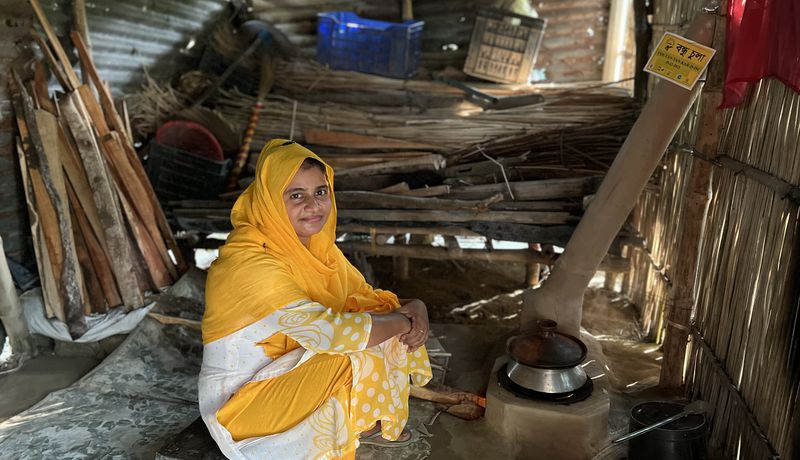
Bondhu Chula Stoves, Bangladesh
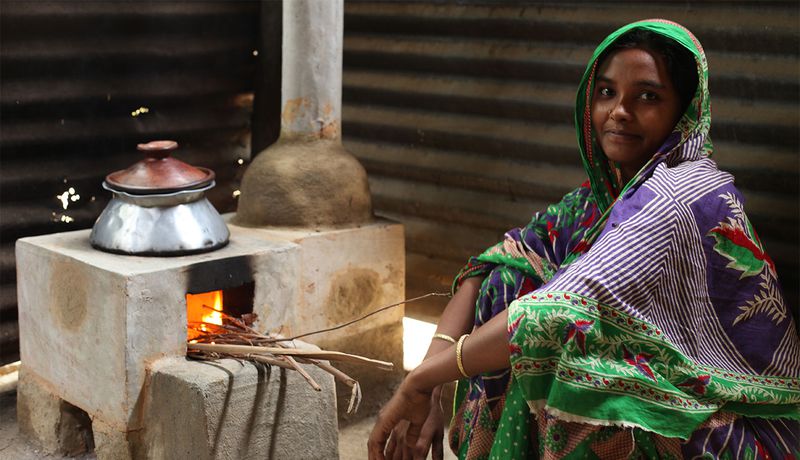
Bondhu Chula Stoves, Bangladesh
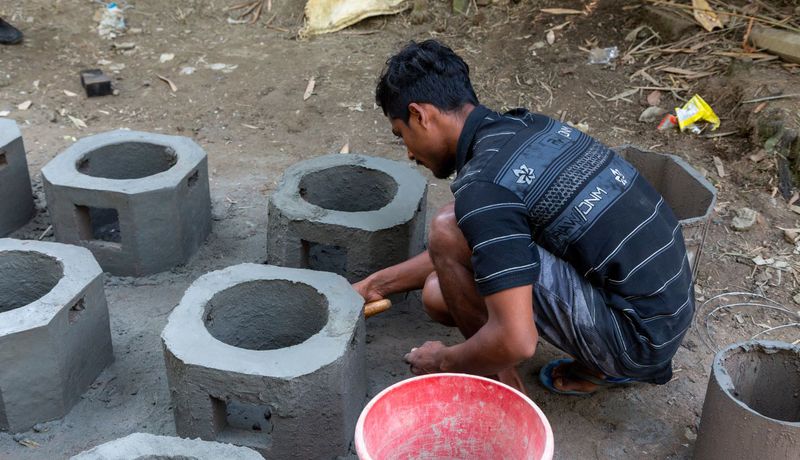
Bondhu Chula Stoves, Bangladesh
Carbon finance makes the transition to a Bondhu Chula possible by subsidizing the cost. It also funds training programs for local entrepreneurs to learn how to make and install the stoves. The project has already created work for thousands of local entrepreneurs in its manufacturing and distribution networks.
Impact Highlights:
- Health Impact: Bangladesh suffers from the most air pollution of any nation around the world, so reducing exposure to indoor smoke is especially important.
- Fuel Use Reduction: The stoves can reduce fuel use by up to 50%, saving money for each family.
- Entrepreneur Training: Over 10,000 entrepreneurs and service providers have been trained and engaged in stove manufacturing and installation.
- Robust Monitoring: More than 1,000 stoves are monitored daily by field officers to ensure maintenance, usage, and carbon emission reductions.
Bondhu is working towards a smoke-free and fuel-efficient kitchen in every household in Bangladesh.
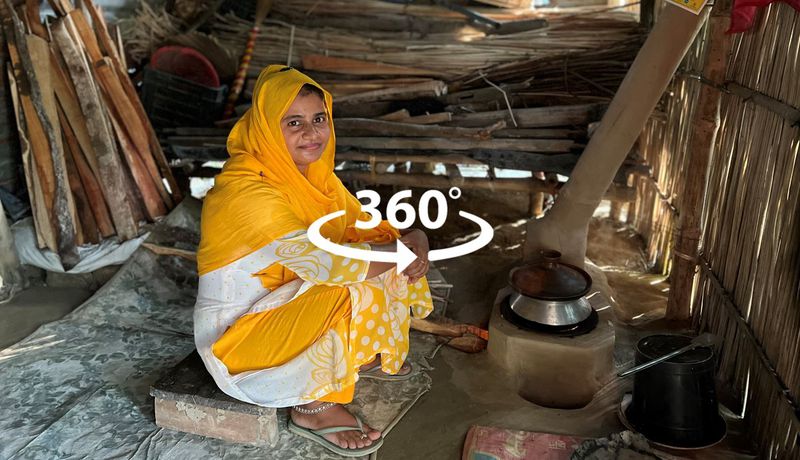
360 Video | Improved Stoves in Bangladesh
360 Video | Improved Stoves in Bangladesh
Our Quality Assurance team said: “Bondhu Chula is a longstanding, successful project across Bangladesh, bringing cleaner cooking stoves to rural households. Bangladesh is one of the countries most vulnerable to the effects of climate change. Following a 2022 site visit, and many years of partnership, we are confident that this is a very well-run carbon project. They have built an effective carbon finance stream that has delivered significant positive impacts across Bangladesh.”
Standard: Gold Standard
Pending transition to a CCP-approved methodology. The Core Carbon Principles (CCP) are the latest benchmark for quality from the ICVCM (Integrity Council for the Voluntary Carbon Market).
2. Long-term Income for Smallholder Farmers: CommuniTree
The largest reforestation initiative in Nicaragua, this project works with thousands of smallholder farmers to generate long term income from growing trees on underused parts of their land.
Farmers have autonomy to choose how they participate in a way that best aligns with their needs whether that is agroforestry, planting among grazing animals, or a native species plantation. They can receive direct payments for growing the forests over a 10-year period. On top of carbon revenues, farmers can produce of biochar, lumber, and woodcrafts to be sold to local and international markets. Forest products have generated over $80,000 in additional income for farmers.
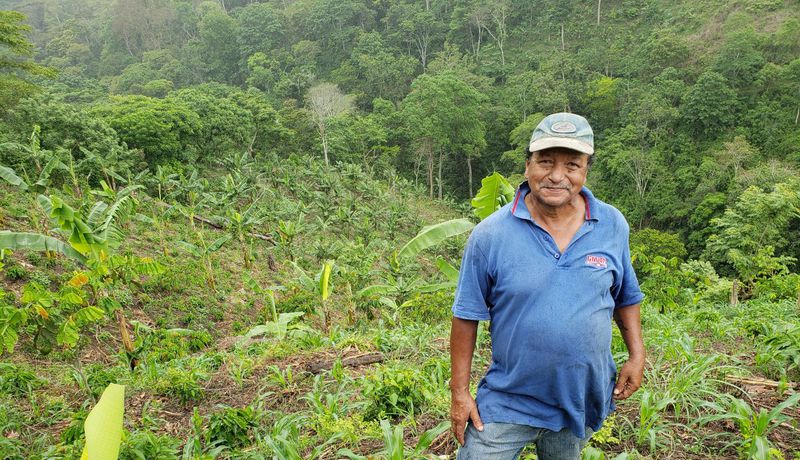
CommuniTree Reforestation, Nicaragua
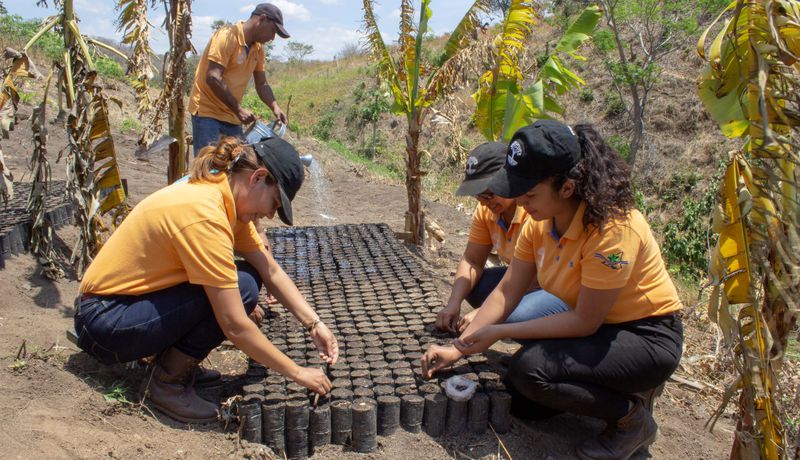
CommuniTree Reforestation, Nicaragua
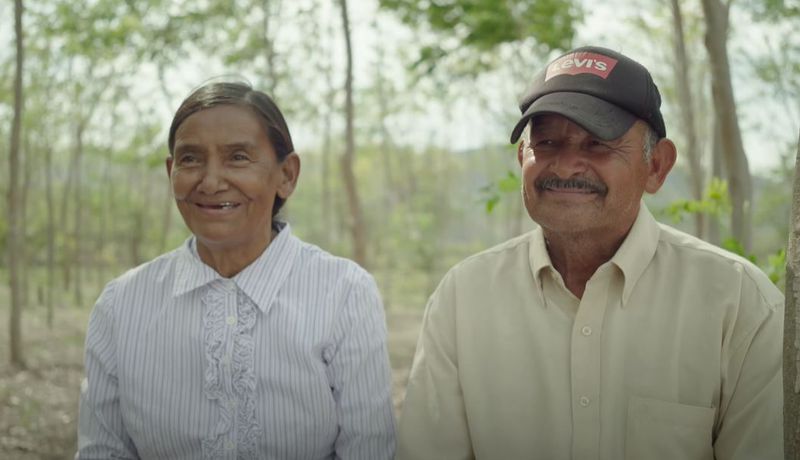
CommuniTree Reforestation, Nicaragua
Carbon revenue is collected in the early stages, when it is most needed, through the sale of ex-ante Plan Vivo Certificates (PVCs) that include annual monitoring and reporting under the Plan Vivo Carbon Standard.
Impact Highlights:
- 25+ million trees planted across Nicaragua so far
- 4,000 smallholder farmer families participating to earn income
- 4,000,000 tonnes of CO2e to be removed as native tree species grow on farmers' underused land
- $40,000,000+ USD being paid to farmers in total, providing long-term income opportunities
I have children and grandchildren, and I will leave them the best inheritance: my trees.
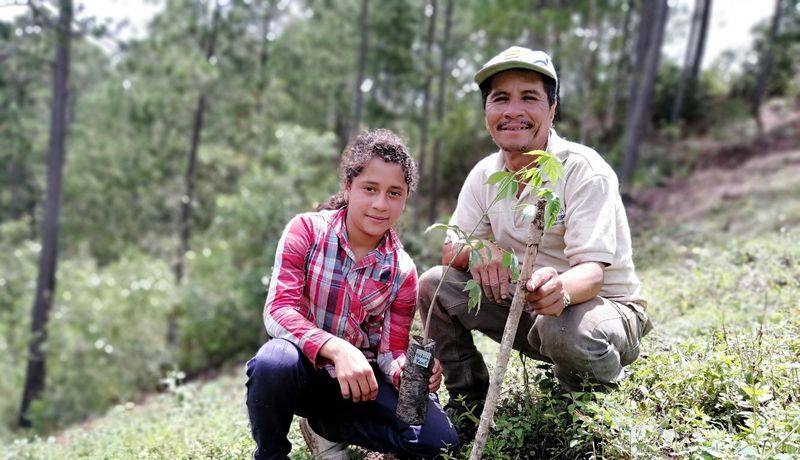
Video | Farmer Reforestation in Nicaragua
Video | Farmer Reforestation in Nicaragua
Our Quality Assurance Team said: “CommuniTree uses carbon finance from reforestation to create long-term income opportunities for farmers in the Central America who are some of the most vulnerable to the effects of climate change. Farmers are able to choose which approach is right for their land whether that is a mixed species forest plantation, silvopastoral, or coffee agroforestry.”
Standard: Plan Vivo
Provisional A rating at Sylvera.
3. Delivering Safe Drinking Water – Ecofiltro
Over half of rural Guatemala does not have access to safe water and harvesting wood for boiling is a major cause of deforestation. On top of the health risks of indoor smoke, many women and children must spend their productive time gathering fuel.
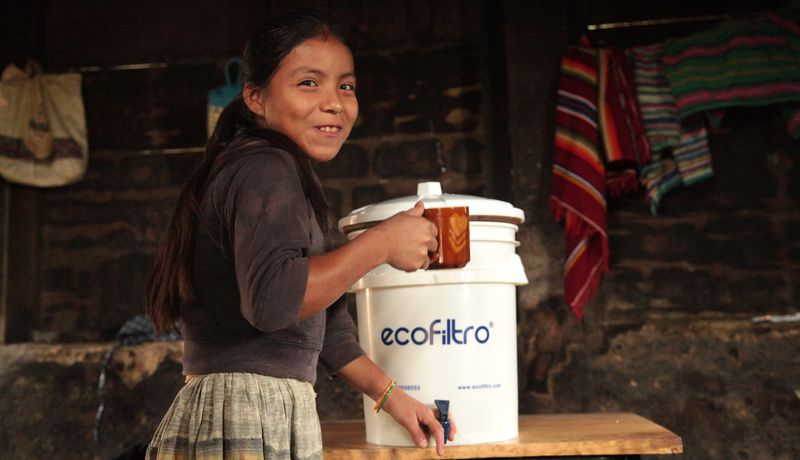
The Ecofiltro ceramic filter is made locally of clay and sawdust to filter up to two litres of water per hour. Not only does this reduce emissions from boiling water and deforestation for fuel – the safer water improves health. And, the project employs hundreds of people in local production and distribution.
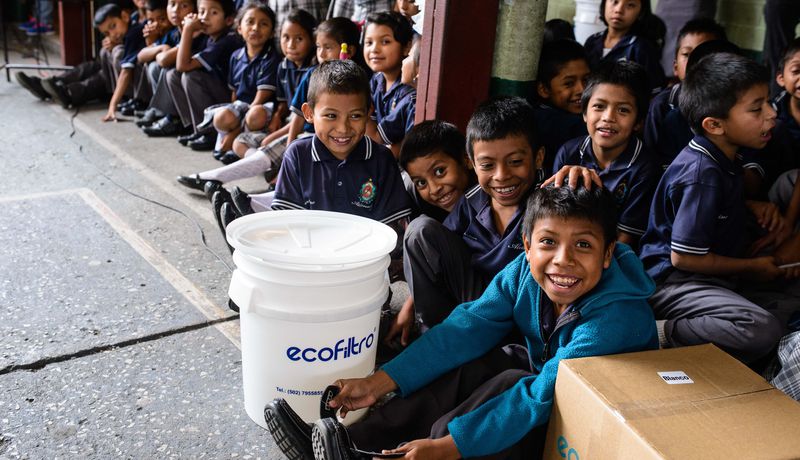
Ecofiltro Water Filters, Guatemala
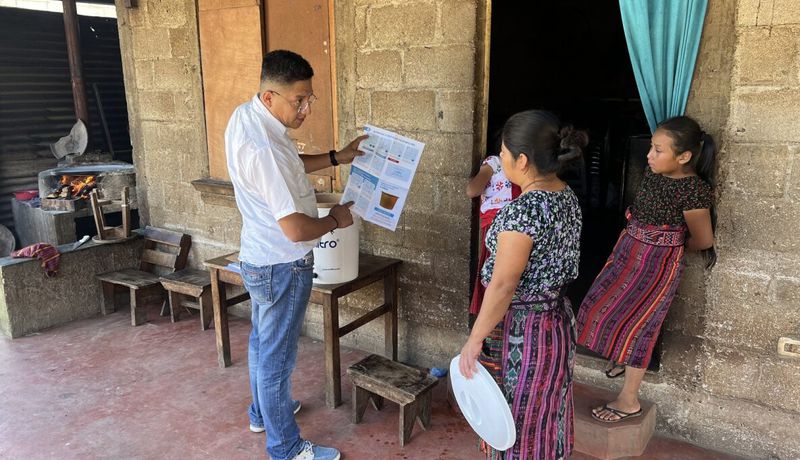
Ecofiltro Water Filters, Guatemala
Ecofiltro Water Filters, Guatemala
Carbon finance allows the project to subsidize the cost of these solutions for rural families so they can begin to reduce indoor smoke and fuel costs immediately. Together, a water filter and efficient cookstove can reduce a household’s fuel consumption and emissions by over half.
Impact Highlights:
- Safe Drinking Water Access: Over 1 million children now have access to safe drinking water through distribution of 30,000+ Ecofiltro water filters in classrooms nationwide
- Reduction in Illness: Classrooms using Ecofiltro report 50% fewer sick days among schoolchildren; in one rural community, sick days dropped by over 80% after widespread household adoption
- Water Filtration Efficiency: The Ecofiltro ceramic water filter removes 99.99% of pathogens, significantly reducing water-borne diseases
- Water Filtration Capacity: Filters 1-2 liters per hour, with a 20-liter model providing over 22 gallons per week, sufficient for a family of 5 or 6
We could not do what we’re doing right now without the carbon credits that we are able to sell through our partnership with Climate Impact Partners, so I’m very grateful.
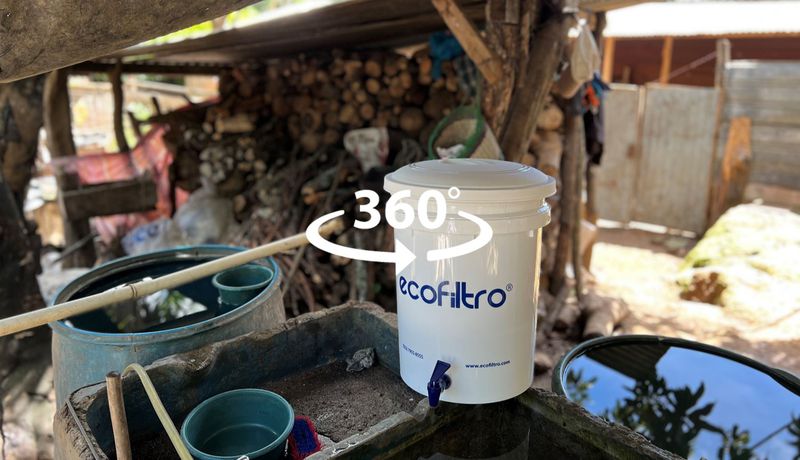
360 Video | Water Filters in Guatemala
360 Video | Water Filters in Guatemala
Our quality assurance team said: “Only half of Guatemalan households have access to safe drinking water. Ecofiltro is a community-based solution that benefits health and livelihoods while reducing demand for wood fuel. Importantly, it is a culturally-accepted solution that has proven itself to end users in both urban and rural settings across Guatemala.”
Standard: Gold Standard.
Pending transition to a CCP approved methodology.
Need help to choose the right project for your business?
Book a consultation with our experts today.
The Latest Insights From
Climate Impact Partners
How to get more value from your carbon budget: The Five C’s of Carbon Credits.
To illustrate the characteristics of a carbon credit that can determine its price, we introduce the five C’s of carbon credits.
Read more
Behind the A Rating: Sabah Rainforest Project in Malaysia
For over three decades, deep in the tropical rainforests of Sabah, Malaysia, an extraordinary restoration effort has been unfolding quietly and diligently.
Read more
Busting carbon offsetting myths
10 myths around net zero and carbon offsetting busted.
Read more