

Climate commitments among the world's largest companies have continued to grow in recent years. Climate Impact Partners' latest Fortune Global 500 research found that 72% of FG500 companies now have at least one climate target, while 51% have committed to net zero. As climate action becomes increasingly embedded within corporate strategy, organizations are moving beyond target setting and focusing on how best to deliver against their commitments.
Looking Beyond Carbon
For sustainability leaders, choosing the right climate projects is about more than the volume of emissions reduced. Projects that deliver verified emissions reductions while also creating environmental and social value can help organizations demonstrate the broader impact of their climate programs. This is becoming increasingly important as stakeholders seek evidence that climate action is delivering tangible outcomes beyond carbon alone. Some projects contribute to ecosystem restoration and biodiversity protection. Others improve health outcomes, support livelihoods or create economic opportunities. The strongest projects often deliver across several of these areas simultaneously.
What Does High Impact Look Like?
There is no single definition of a high-impact climate project. Many contribute to a range of sustainable development outcomes, often aligning with multiple UN Sustainable Development Goals. When evaluating projects, organizations may consider impacts across areas such as nature, communities and economic development.
Nature
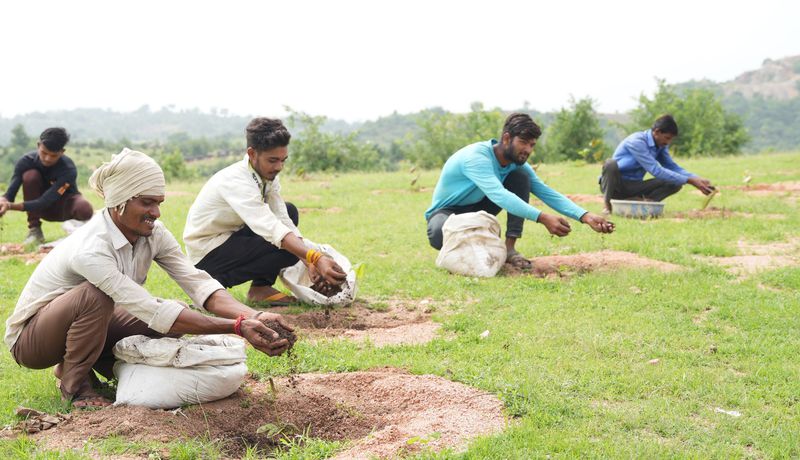
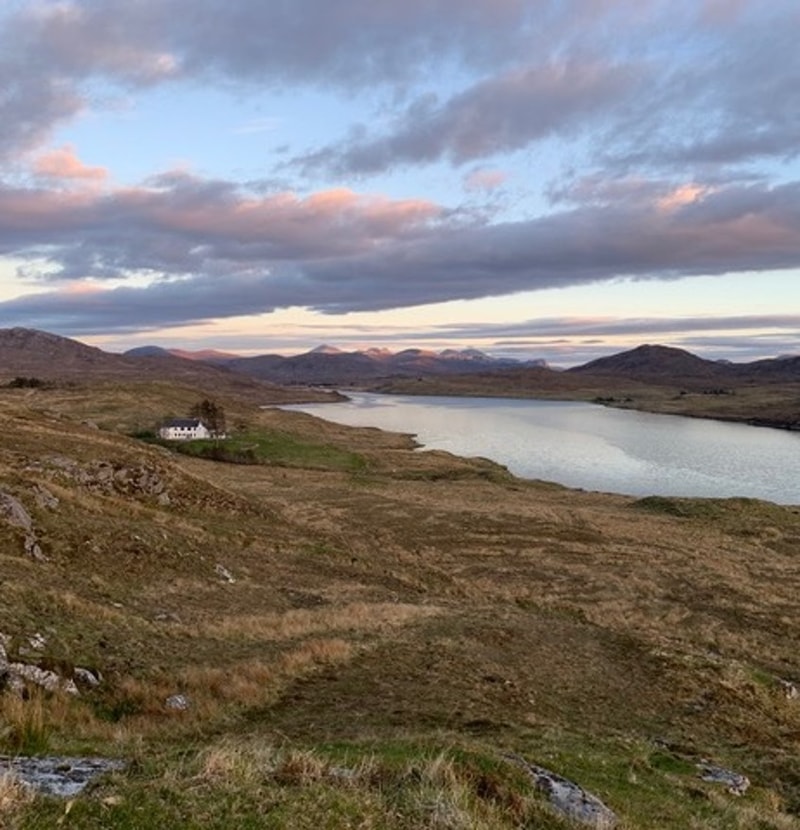
Many organizations are looking for climate projects that support both climate and nature goals. High-impact projects can help restore ecosystems, improve biodiversity and strengthen environmental resilience. Examples include peatland restoration initiatives, which play a critical role in climate mitigation whilst supporting biodiversity, and reforestation projects that combine carbon benefits with ecosystem restoration and long-term landscape resilience.
Communities
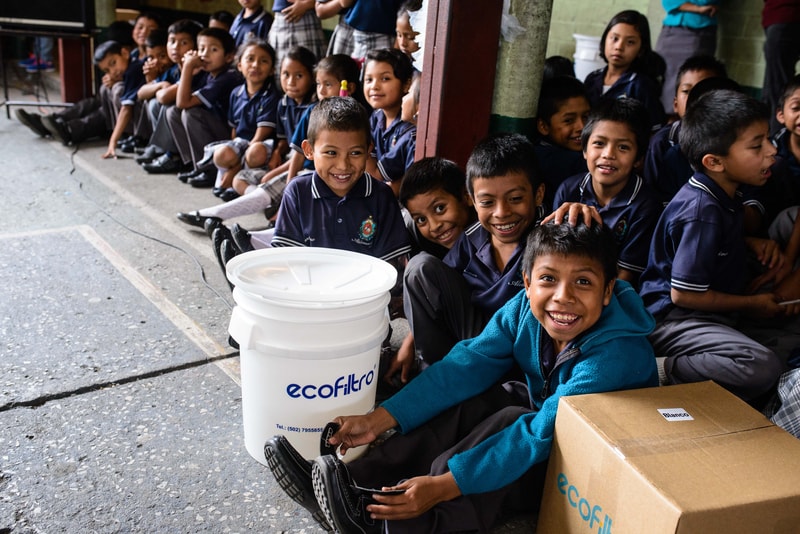
Many of the strongest climate projects create tangible benefits for the communities they serve, improving everyday quality of life while supporting climate goals. The Ecofiltro Clean Water Project in Guatemala provides one example. The project helps households gain access to safe drinking water through water filtration technology, reducing the need to boil water over fires or rudimentary stoves. This helps lower emissions and reduces pressure on forests, while also contributing to improved health outcomes and reducing the time spent collecting fuel and water. For many communities, particularly women and girls, that time can instead be spent on education, livelihoods and other opportunities.
Economic Development
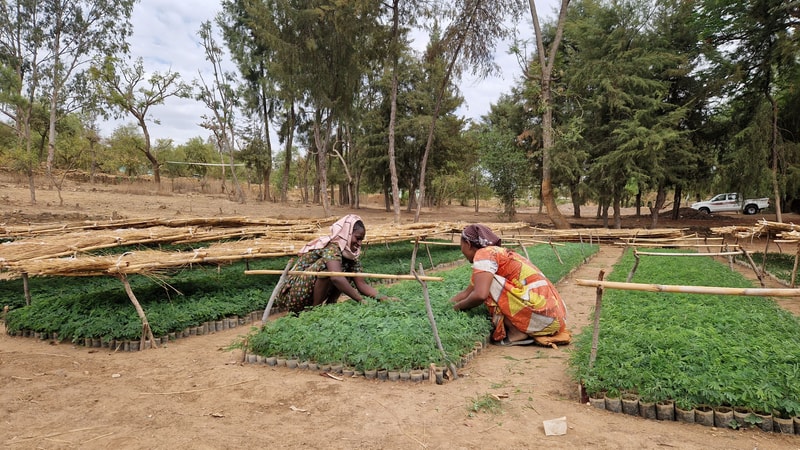
Climate projects can also contribute to economic development by supporting local jobs, skills development and sustainable livelihoods. Community Woodland Restoration in Ethiopia in Ethiopia provides one example. The project works with smallholder and landless farmers to restore degraded landscapes while creating income opportunities through agroforestry, beekeeping and sustainable forest products such as honey and frankincense. Alongside restoring ecosystems, it helps strengthen livelihoods and long-term community resilience.
Clean Cooking: One Solution, Multiple Outcomes
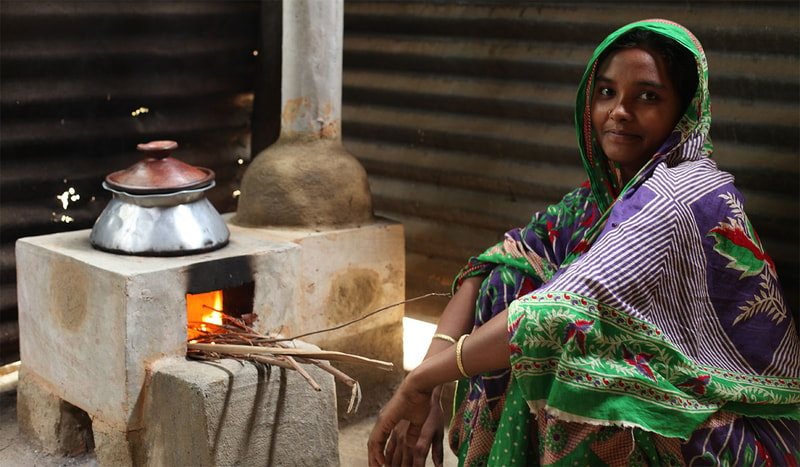
Many high-impact climate projects deliver benefits across several sustainability priorities at once. Clean cooking projects provide a compelling example, combining emissions reductions with improvements in health, reduced pressure on forests, time savings for households and support for local livelihoods. Around one billion tonnes of carbon emissions are produced each year from inefficient cooking methods, making clean cooking one of the largest, yet often overlooked, opportunities for climate action.
By replacing traditional cooking methods with more efficient technologies, these projects can reduce fuel consumption and emissions while helping improve air quality in the home and reducing reliance on firewood. In doing so, they contribute to climate, nature and community outcomes simultaneously. Projects within Climate Impact Partners' portfolio, including Bondhu Chula Stoves in Bangladesh, MEC Micro Energy Credits in India and Circle Gas Smart Meters in Kenya, demonstrate how climate action can deliver meaningful benefits that extend beyond carbon reduction alone.
What This Means for Sustainability Leaders
As organizations develop and refine their net-zero strategies, climate projects offer an opportunity to support objectives that extend beyond emissions reductions. High-impact climate projects can help organizations align climate action with broader business priorities. Depending on the organization, this might include supporting communities connected to supply chains, investing in regions where the business operates, contributing toward nature-positive ambitions, or demonstrating progress against stakeholder expectations.
While no single project can solve every sustainability challenge, organizations increasingly have an opportunity to choose climate solutions that align with their wider sustainability priorities. Projects that deliver impact across multiple areas can help strengthen not only net-zero strategies, but broader environmental and social ambitions too.
Looking to maximize the impact of your climate action?
Whether your focus is climate, nature, community impact or supporting regions connected to your business, Climate Impact Partners can help identify high-quality climate projects that align with your sustainability goals and broader business priorities. Explore our portfolio of climate projects and speak to our team about the right solution for your organization.


