

Grasslands cover between 20 and 40% of the world’s land.1
Natural grasslands tend to be in areas without enough rainfall for trees, often situated between forests and deserts.2 These habitats are found where grass is naturally the most prevalent vegetation. But semi-natural grassland habitats where animals graze and grasses are periodically harvested can also be rich in biodiversity.
Grasslands exist on every continent apart from Greenland and Antarctica,3 and have different names in each continent.
Why protecting grassland biomes is essential for tackling climate change
Grasslands have a vital role to play in tackling climate change. Unlike with trees, the majority of grassland carbon is sequestered under the surface in their root systems which represent around 90% of the grasses’ biomass.4 They work with the subterranean network of mycorrhizal fungi in a symbiotic relationship, providing structure to the soil, degrading toxins, and providing nutrients to the plants.5
But these vital ecosystems are under threat, in fact, they are the biome most threatened due to loss, fragmentation, and degradation.6 Less than 10% of the world’s grasslands are protected and habitat conversion massively exceeds protection: it was calculated that for every 10 hectares of grassland lost, one hectare is protected.7
And the greatest threat worldwide is agriculture conversion. To get an idea of the scale of this loss, during the 20th Century, up to 90% of Europe’s grasslands were lost to encroaching populations, agriculture, and invasive species.
Grasslands and Biodiversity
Grasslands are species-rich building blocks of biodiversity, so, protecting them not only is critical in the fight against climate change but also supports a rich variety of different landscapes and an array of lifeforms.
Grasslands also build resilience. Thriving grasslands provide ecosystem services to major watersheds,8 both channeling water to rivers and retaining it, helping prevent flooding downstream.
Protecting grasslands from habitat fragmentation protects diversity too, which is vital to maintain healthy, sustainable ecosystems. As grassland areas become increasingly fragmented, species become genetically isolated, lowering reproductive success and reducing their effectiveness against predators. It can disrupt plant pollinators, and if fragmentation is because of agricultural encroachment, the diversity of the grasslands can be affected by agricultural run-off.
Examples of Grasslands Protection Projects with Climate Impact Partners
Carbon finance plays a critical role in providing funds for both the protection of existing landscapes and for restoration of grasslands where they have become degraded. Grasslands may be protected in their natural form, or restored and managed for grazing. Read about both types of grassland project below.
May Ranch Grassland Conservation, USA
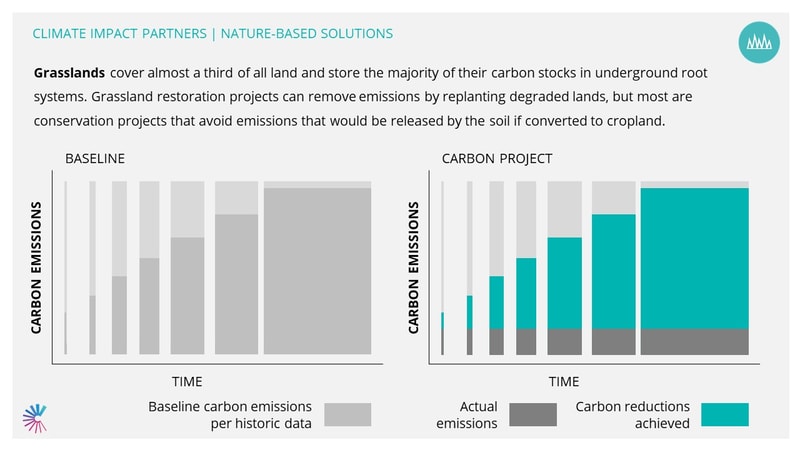
Grasslands are an important and stable carbon sink and are described as the reverse of a rainforest, as 90% of its biomass is below ground in the long roots of the grass. The large-scale conversion of native grasslands to cropland across the United States deteriorates the quality of grasslands as a carbon sink.
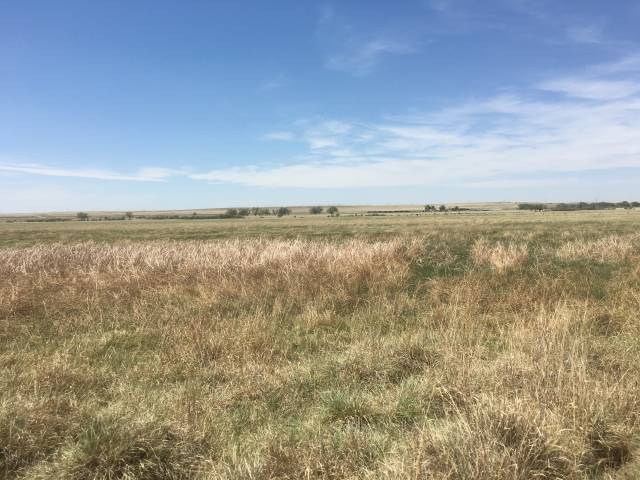
This Climate Action Reserve (CAR) certified project is located on 13,000 acres northeast of Lamar, Colorado. It supports a conservation easement with the Colorado Cattlemen’s Agricultural Land Trust through which the owner of the land voluntarily agrees to prohibit commercial activities on the property. The easement preserves the grassland, home to native species of grasses and plants, by ensuring no tillage for crop cultivation takes place. This prevents the depletion of carbon stocks below ground from the growth of crops and the greenhouse gas emissions that would arise through the crops’ production and processing.
Sustainable Grassland Management, Kenya
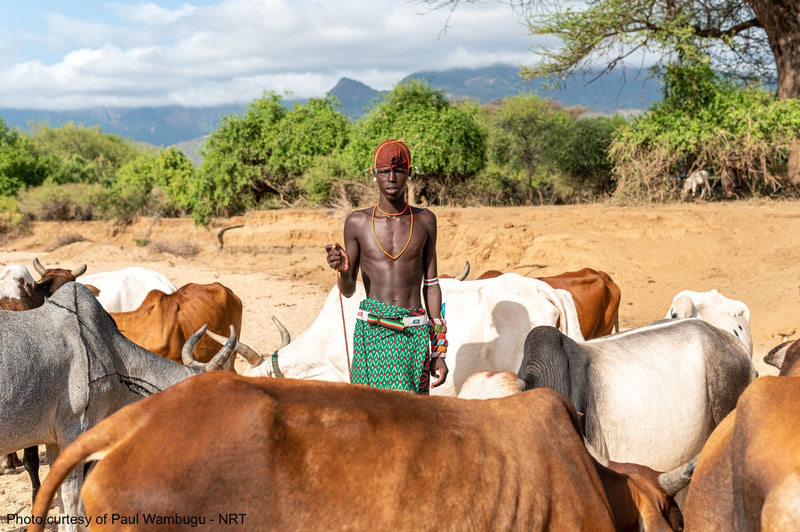
Unrestricted grazing by more than six ethnic groups in this region of Northern Kenya has depleted soils of organic matter and greatly reduced forage for livestock.
This Verified Carbon Standard (VCS) and Climate Community and Biodiversity (CCB) certified project brings sustainable grazing management techniques and aims to restore nearly 2 million hectares of northern Kenya savannas and grasslands. The rotational grazing plans will remove nearly one tonne of carbon per hectare each year across the nearly 2 million hectares of rangeland. The rapid movement of livestock allows for the recovery and growth of perennial grasses, avoiding overgrazing and leading to removal of carbon from the atmosphere as it becomes soil organic carbon. Restoration of grass is increasing the climate adaptability of local communities because soils with more carbon and biomass can store more water and sustain greater forage production through dry drought periods. The region is important habitat for endangered wildlife including the giraffe, zebra, antelope, and black rhino.
Project Drawdown on Grasslands Protection
Project Drawdown’s mission is to help the world stop climate change—as quickly, safely, and equitably as possible. The organization is an invaluable source for effective, science-based climate solutions and strategies.
Grasslands are often converted to agriculture and are at high risk of future land use change and greenhouse gas emissions from loss of carbon stocks. Grasslands are also targeted for afforestation.
Read more about what Project Drawdown proposes for protecting our global grasslands.
The SDG Impacts of Grassland Protection Projects
We conduct a detailed evaluation of the additional benefits to households, communities, and biodiversity from projects, to understand their alignment with specific targets under the Sustainable Development Goals (SDGs).
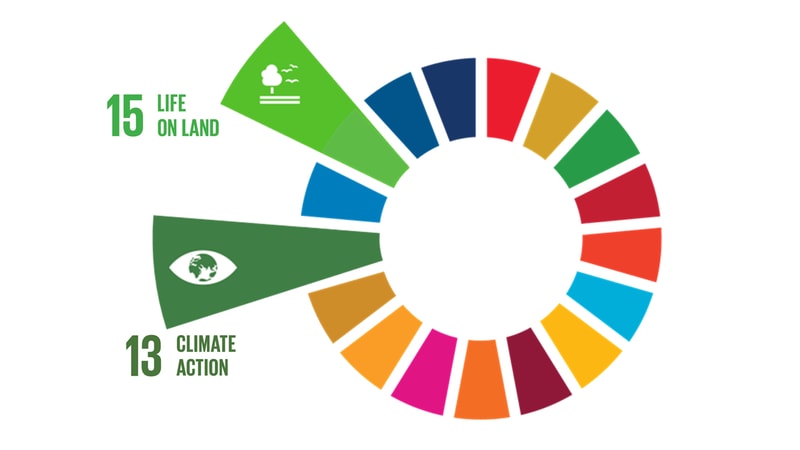
Grasslands projects conserve and restore prairies, plains, and savannahs which supports the ‘life on land’ SDG by reducing rates of degraded land cover, as well as sequestering carbon.
Because these projects are so varied in type (covering protection and restoration) the common goals for all projects are fewer.
Which animals live in grasslands?
As grasslands represent such a vast area of land across all continents (other than Antarctica), animals, birds, and insects vary. But animals have evolved and adapted to the grassland biome environment.
Grazing animals have digestive systems adapted to eating grass, which forms the major portion of their diets. Predators have speed and range to catch prey in these vast expanses of land (cheetahs) and prey have adapted similarly (ostrich). Many have bodily markings to camouflage themselves (tigers, zebras, cheetahs for example).


Looking for solutions?
References:
1 National Geographic Grasslands—facts and information (nationalgeographic.com)
2 ibid.
3 Mycorrhizal Patterns in the Roots of Dominant Festuca rubra in a High-Natural-Value Grassland - PMC (nih.gov)
4 Gibson, David (2008) Grasses and Grassland Ecology
5 Mycorrhizal Patterns in the Roots of Dominant Festuca rubra in a High-Natural-Value Grassland - PMC (nih.gov)
6 Gibson, David (2008) Grasses and Grassland Ecology
7 ibid.
8 ibid.


