

There is still so much we don’t know about the richness of biodiversity on our planet. In fact, we may have only just scratched the surface with the identification of 1.6 million species - it is estimated that 84% of species are yet to be discovered and identified (The Royal Society).
Biodiversity is at risk, so are we and our modern world. Companies are beginning to understand their biodiversity footprint, impacts and dependencies, with cross-industry initiatives such as the Taskforce on Nature-related Financial Disclosures (TNFD) and Science-Based Targets Network (SBTN) about to be finalised.
The Voluntary Biodiversity Market (VBM) is emerging as a mechanism to encourage companies, governments, and individuals to privately finance biodiversity projects. Unlike the Voluntary Carbon Market (VCM) that is based on carbon emissions so has a well-established unit (1 tonne of CO2e), there isn’t yet a consensus on biodiversity measurement which covers such huge and complex variety. The market is currently developing a measurement unit(s) to ensure we accurately and confidently evaluate positive outcomes for a range of biodiversity and natural ecosystems.
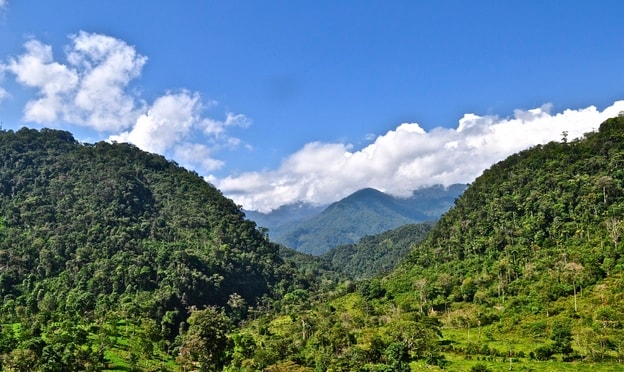
Biodiversity is challenging and complex to measure
Biodiversity is incredibly diverse, both in terms of the number of species and their interactions with each other and the environment. It encompasses a wide range of populations, species, habitats, and ecosystems, that are constantly evolving and changing over time. To create a market approach that will ensure scalable, positive impact means teams are currently analyzing the ‘web of life’ to propose a metric that will measure as big a fraction of biodiversity as possible in a defined ecosystem across the years.
It is extremely difficult to find a unit of measurement that summarizes biodiversity in its entirety. There is some debate as to whether it is even right to find a single unit because biodiversity isn’t static. Each ecosystem is unique and dynamic, and therefore each conservation and protection project will be too. This is as challenging and fascinating as it is to assess the beauty of nature. That is why we are partnering with some of the leading players in this field to accelerate the work on finding the most appropriate way of measuring biodiversity.
Dr Richard Young, Technical Director (International Biodiversity) of Nature Positive, specialists in biodiversity analysis at the company level, and part of our long-term partner RSK, said: “Considering the state of nature worldwide, companies need to understand their impact and dependency on biodiversity in order to change practices accordingly and to mitigate risks. There is a need for a robust but accessible biodiversity measurement process that businesses and other actors can use to track and measure change, in a meaningful way. However, finding such a measurement approach also needs to be balanced with the need to take action right now where it desperately needed.
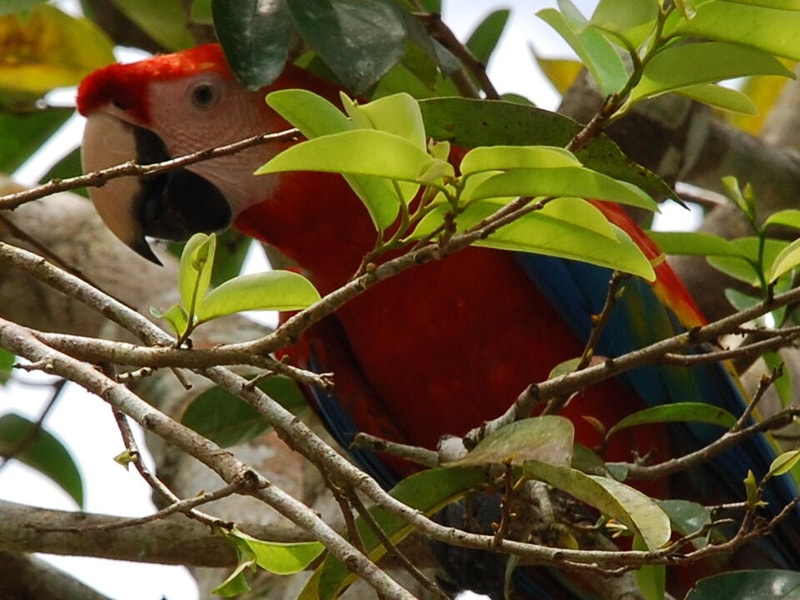
Leading units of measurement
There are several frameworks using a mix of metrics to assess the state of biodiversity in a dedicated ecosystem. They provide guidance on how to measure biodiversity loss, positive impact and associated risks. This includes the Global Biodiversity Score, Biodiversity Credit Alliance Taskforce, IUCN Species Threat Abatement Restoration (STAR) Metric, UK Biodiversity Net Gain metric, Natural England Biodiversity Metric 4.0.
Here are some of the prominent units of measurement that feed into these metrics:
- Species richness is a simple measure that quantifies the number of different species in a given ecosystem. It provides a basic understanding of the number of species present.
- Species abundance measures the population sizes of different species within an ecosystem.
- Species threat provides a measure of the risk of extinction of a specie or set of species.
- Species evenness measures the distribution of individuals among different species within an ecosystem and assesses the relative proportions or balance of abundance among the species present.
- Ecosystem integrity focuses on the overall health, functioning and resilience of an ecosystem. It is a measure of the system's ability to maintain its structure, processes, and biodiversity while being able to withstand and recover from disturbances or environmental changes.
While these units may overlap, they represent different techniques and offer complementary perspectives for understanding and monitoring biodiversity over time. Their integration provides a more comprehensive picture of the state and integrity of an ecosystem.
What's next for corporates?
Governments, corporates, financial institutions and concerned citizens are beginning to take actions to address biodiversity loss, and therefore reduce our negative impact on nature.
Nature Positive conducts biodiversity impact assessments and footprint analysis. They evaluate a company's locations, activities, commodities, supply chain and environmental pressures to identify the greatest impact but also dependencies on nature. The assessment establishes biodiversity-related risks to the company and opportunities alongside recommended actions.
Dr Richard Young commented: “We advise companies to start acting right now to comprehend and reduce their negative impact on nature. Unlike carbon, there often isn’t a single number we can produce as part of the footprint analysis, this is about characterizing the range of impacts by type and magnitude, which natural systems businesses rely on and what their priority actions are. One of the most complex parts of the assessment is reviewing the nature impacts and dependencies across the supply chain, a similar challenge to measuring Scope 3 carbon emissions.”
Biodiversity is not static, and changes occur over time but despite these challenges, efforts to measure and monitor its health are essential to address loss and gain. With a more comprehensive and standardized approach, continued research, and innovation, we will develop better tools and metrics. With those, companies can invest in conservation and restoration projects to ensure we don’t just survive, but thrive in a planet that is once again flourishing.
Looking for SAF certificates?
Featuring:
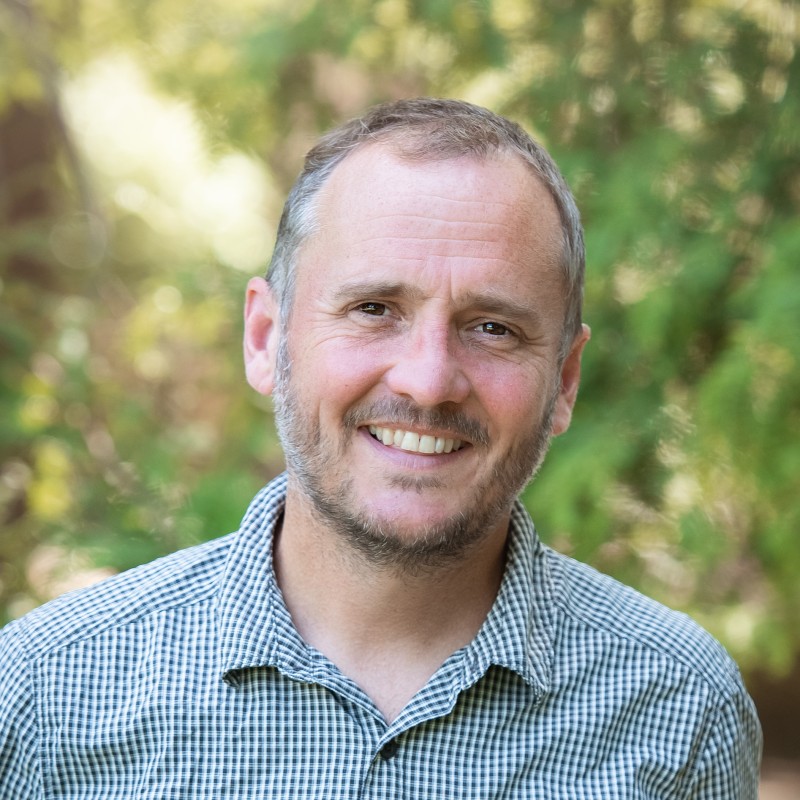
Richard leads Nature Positive’s work to support businesses in the assessment of their biodiversity impact and dependencies, biodiversity strategies and nature-positive action. Prior to this, Richard worked in the international nature conservation sector. He is a specialist in biodiversity monitoring and impact assessment, having published over 70 papers in scientific journals and drawing on broad experience of working on the ground in a range of biomes and ecosystems.


