

The Future of Seagrass Investment
The report explores how investment in UK seagrass restoration can be accelerated by 2028.
Read the ReportTackling the climate and nature crises requires collaboration at a scale we’ve never seen before. We need scientists developing new approaches, project developers delivering solutions on the ground, businesses willing to invest, and policymakers creating the conditions for long-term action.
Creating space for these conversations is more important than ever.
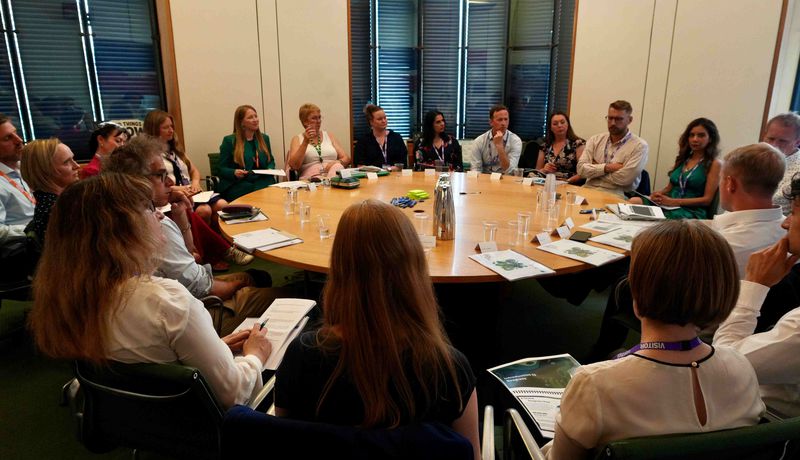
That was the focus of the UK Parliamentary roundtable sponsored by Ann Davies, MP for Caerfyrddin, which brought together leaders across finance, science, research, policy and carbon markets to explore how greater collaboration can bridge the gap between climate science and climate finance.
With a focus on seagrass restoration, the discussion explored how coastal ecosystems can help cool our oceans, restore biodiversity and reduce ocean acidification, while highlighting the role that policy support, investment and cross-sector collaboration will play in scaling their impact. Critically, how long-term scalable finance is unlocked.
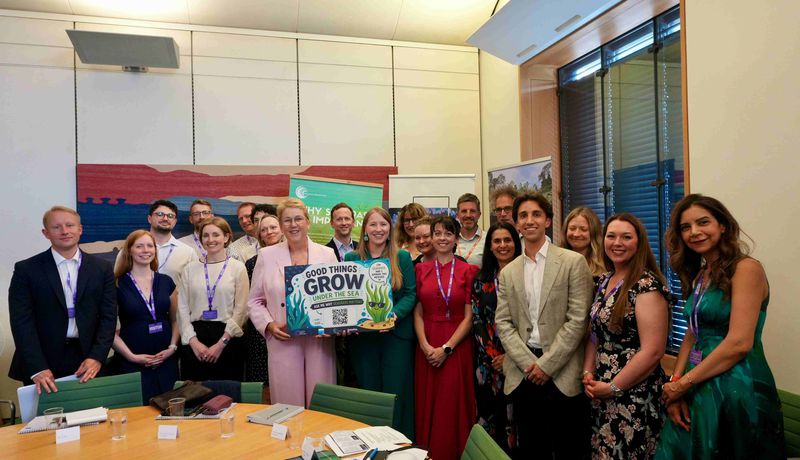
Launch of the Future of Seagrass Investment Report at UK Parliamentary Roundtable
Launch of the Future of Seagrass Investment Report at UK Parliamentary Roundtable
Launch of the Future of Seagrass Investment Report at UK Parliamentary Roundtable
The discussion was centered around the findings of the “Future of Seagrass Investment Report” – developed in collaboration between Climate Impact Partners, Project Seagrass, the National Oceanography Centre, with the pro bono support of Deloitte UK. The report explores how investment in UK seagrass restoration can be accelerated by 2028. Its release, follows a three-year program between the organizations to fund UK seagrass recovery and unlock long-term finance to save and reinstate vital seagrass meadows.
The report explores how investment in UK seagrass restoration can be accelerated by 2028.
Read the ReportThe need for funding is clear - seagrass ecosystems in the UK have declined by up to 92% over the past century (Swansea, UCL & King’s, 2021). While restoration efforts are growing, they remain fragmented and largely dependent on grants and philanthropy. With an estimated 40,000–100,000 hectares lost during this time and restoration costs ranging from £1.3 billion to £41.6 billion (depending on baseline and restoration method), delivering meaningful impact will require scalable, investment-ready financing models that attract private capital.
The discussion focused on translating the report's findings into practical action. It reinforced several of the report's key themes while providing valuable perspectives on how to turn ambition into action.
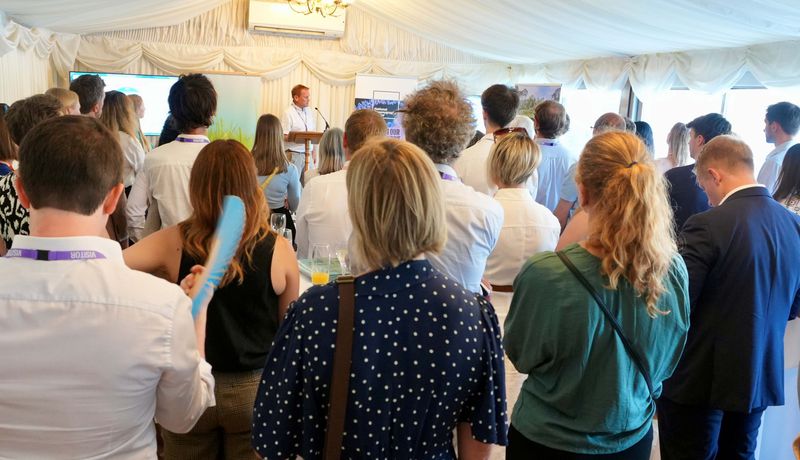
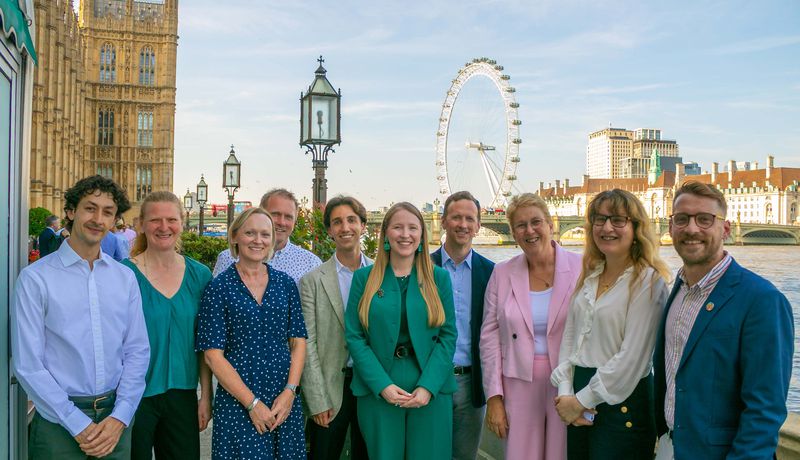
Parliamentary Reception
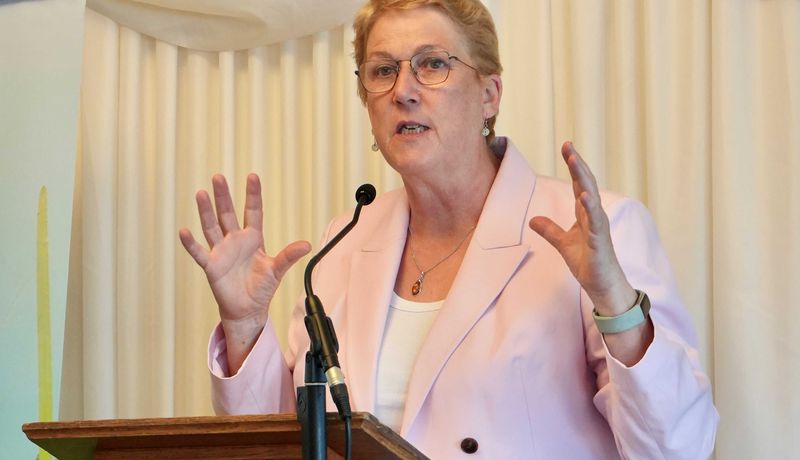
Ann Davies MP at the Parliamentary Reception
The roundtable demonstrated that the ambition, expertise and interest needed to scale seagrass restoration already exist. The challenge now is to turn that momentum into action through coordinated investment, scalable projects and long-term delivery. A key recommendation from the discussion was the creation of a cross-sector working group to bring together stakeholders, strengthen collaboration and accelerate progress.
Other priorities discussed included developing an investable pipeline of seagrass projects, connecting investors with project developers, strengthening the evidence base through robust data and monitoring, supporting policy engagement, and demonstrating scalable investment models. Climate Impact Partners, in collaboration with its partners, is also developing financial modelling to demonstrate the return on investment of seagrass restoration and support future investor conversations.
By strengthening collaboration and creating clearer pathways for investment, seagrass restoration has the potential to scale rapidly, unlocking finance at the pace needed to deliver meaningful benefits for climate, nature and coastal communities.